What Does Buenos Dias Mean in Spanish: Your Research-Backed Guide
Other options: "buen día" (singular) and quick versions like "buenas."
Posted by
 Stewart Kaplan
Related reading
What Does Adonde Mean in Spanish? How Movement 'Clicks' for Learners
You have to know when prepositions combine with donde to show direction or position
What Does Ahi Mean in Spanish? Cognitive Mastery That Sticks
Learners mix up ahí, hay, and ay because they sound the same but mean totally different things.
What Does Aki Mean in Spanish: Unpacking Real Usage for Learners
Regional differences exist, but nearly everyone in Spanish-speaking communities gets what "aki" means in a text
TL;DR
- "Buenos días" means "good morning" in English. It’s the go-to Spanish greeting from sunrise until noon.
- You can use it in both formal and informal situations, anywhere in the Spanish-speaking world.
- Timing matters: "buenos días" is used only in the morning. Around midday, people switch to "buenas tardes" (good afternoon).
- Greetings like "buenos días" are a must in Spanish-speaking cultures - skipping them can come off as rude.
- Other options: "buen día" (singular) and quick versions like "buenas."
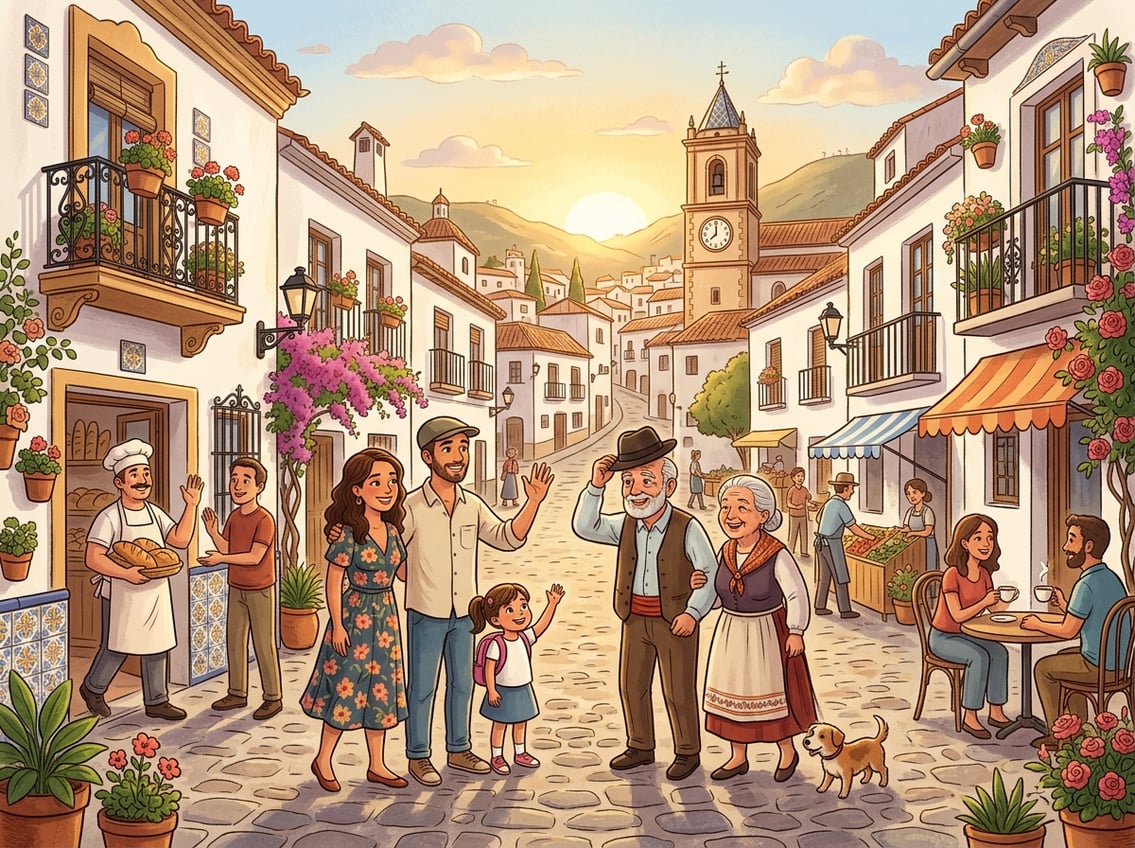
Literal Meaning and Breakdown of 'Buenos Días'
buenos días translates to "good days" word-for-word, but everyone uses it for "good morning." The plural form has a little extra warmth and follows Spanish grammar, which isn’t always like English.
Translation and Etymology
| Spanish | Literal English | Functional English |
|---|---|---|
| Buenos días | Good days | Good morning |
| Buenos | Good (masc. pl.) | Good |
| Días | Days | Morning |
Word origins:
- Buenos: from Latin bonus (good)
- Días: from Latin dies (day)
The phrase comes from old religious blessings, like "May you have good days," which got shortened to what we use now.
Spanish speakers use buenos días from sunrise until noon, and it’s the standard way to say morning in Spanish everywhere.
Why 'Buenos' Is Plural
Reasons for the plural:
- Old blessing phrases wished people multiple good days, not just one.
- Spanish uses plurals for warmth and politeness in greetings.
Examples of plural greetings:
- Buenos días (good mornings)
- Buenas tardes (good afternoons)
- Buenas noches (good nights)
"Buen día" (singular) shows up in some Latin American countries, but it’s less formal. The plural form is more respectful, especially at work or with people you don’t know well.
Grammar Notes: Gender and Number Agreement
| Component | Gender | Number | Rule |
|---|---|---|---|
| Buenos | Masculine | Plural | Matches días |
| Días | Masculine | Plural | Fixed form |
Rules:
- Día is masculine (el día).
- Buenos matches masculine plural.
- Both words use plural endings.
Common mistakes:
Buenas días(wrong gender)Buen día(only in Argentina/Uruguay)Buenos dia(missing plural)
"Buenos días" is a fixed phrase. Don’t break it up or change the words when greeting people.
Context and Timing: When to Use 'Buenos Días'
Spanish greetings change with the time of day. Using "buenos días" at the wrong time can sound off. Morning cutoff times aren’t the same everywhere, but getting it right shows you know the local vibe.
Morning Timeframe Across Regions
| Region | Buenos Días Ends | Notes |
|---|---|---|
| Spain | 12:00–2:00 PM | Lunch can push it later |
| Mexico | 12:00 PM | Noon cutoff |
| Argentina | 12:00 PM | Switches earlier |
| General | Sunrise–noon | Safest bet |
Spanish speakers watch the clock more than English speakers. Using "buenos días" after 2:00 PM? People will notice.
Regional notes:
- Spain: Morning can stretch to late lunch.
- Latin America: Most countries switch at noon.
- Argentina: "Buen día" is common instead of "buenos días."
Watch and listen the first few days in a new place. Locals almost never use buenos días after early afternoon.
Switching to Afternoon and Evening Greetings
| Time | Greeting | Pronunciation | Context |
|---|---|---|---|
| Sunrise–noon | Buenos días | BWEH-nohs DEE-ahs | Morning only |
| Noon–sunset | Buenas tardes | BWEH-nahs TAR-dehs | Afternoon/early evening |
| Sunset–bedtime | Buenas noches | BWEH-nahs NOH-chehs | Night greeting/farewell |
When to switch:
- After lunch: buenas tardes
- After 6:00 PM: buenas noches in most places
- When it’s dark: buenas noches
Buenas tardes works for afternoon and early evening. Buenas noches is both hello and goodbye after dark.
Mistakes to avoid:
- Saying buenos días at 3:00 PM
- Using buenas tardes before noon
- Forgetting buenas noches can mean goodbye at night
Rule → Example
- Rule: Match your greeting to the sun’s position if you’re unsure about the time.
- Example: If it’s dark, say "buenas noches" even if it’s early.
How 'Buenos Días' Functions in Spanish-Speaking Culture
Buenos días is more than just "good morning." It’s a quick way to show respect and acknowledge people in Spanish-speaking places.
Formality and Politeness
| Setting | When to Use Buenos Días | Formality Level |
|---|---|---|
| Workplace | Arriving, greeting bosses | Formal |
| Stores/shops | Entering any business | Standard |
| On the street | Passing neighbors | Casual/Standard |
| Family gatherings | Morning with relatives | Casual |
Pairing with other phrases:
- Buenos días + por favor (please)
- Buenos días + gracias (thank you)
- Buenos días, ¿cómo está? (formal)
- Buenos días, ¿cómo estás? (informal)
Skipping "buenos días" in the morning can seem rude or cold.
Social and Professional Etiquette
Situations where you must greet:
- Entering any room with people
- Starting phone calls before noon
- Beginning business meetings in the morning
- Addressing service workers (cashiers, receptionists, etc.)
Regional expectations:
- Mexico/Central America: Always greet before business.
- Spain: Expected in all morning retail situations.
- South America: Standard with strangers in enclosed spaces.
| You Say | Expected Response | Literal Translation |
|---|---|---|
| Buenos días | Buenos días | Good morning |
| Buenos días, ¿cómo está? | Buenos días, bien gracias | Good morning, well thanks |
| Buenos días | Hola, buenos días | Hello, good morning |
Spanish greetings set the social tone and show you’re ready to interact respectfully. In professional settings, it’s really not optional.
Variations and Alternative Morning Greetings
There’s more than one way to say good morning in Spanish. You’ll hear regional twists like "buen día," casual versions like "buenas," and even playful greetings.
'Buen Día' and Regional Usage
| Region | Preferred Form | Notes |
|---|---|---|
| Argentina | Buen día | Main greeting |
| Uruguay | Buen día | Standard |
| Central America | Buen día | Common alternative |
| Mexico | Buenos días | Buen día is rare |
| Spain | Buenos días | Buen día sounds odd |
- "Día" is masculine (el día), so always use "buen" (not "buena").
- "Buen día, ¿cómo andás?" - Good morning, how’s it going? (Argentina)
- "Buen día a todos" - Good morning, everyone
Rule → Example
- Rule: In Argentina or Uruguay, use "buen día" instead of "buenos días."
- Example: Greet a group in Buenos Aires with "¡Buen día a todos!"
Learners in Argentina or Uruguay should go with buen día as their default to fit in.
Shortened and Informal Forms: 'Buenas', 'Hola', and More
In casual Spanish, people use shorter greetings that fit any time of day.
Informal morning greetings:
| Phrase | Meaning | Formality | Time Restriction |
|---|---|---|---|
| Buenas | Hi/Hey | Casual | None (any time) |
| ¡Hola! | Hello | Neutral | None (any time) |
| Qué tal | What's up | Casual | None (any time) |
"Buenas" just skips the time part (like días, tardes, noches), so it works as a go-to greeting for laid-back situations. Friends, gym buddies, neighbors - they all use it.
Example exchanges:
- "¡Buenas! ¿Qué tal?" - Hey! What's up?
- "Hola, ¿cómo estás?" - Hi, how are you?
"¡Hola!" is always safe, and you’ll hear it mixed with other greetings for extra friendliness: "Hola, buenos días" or "Hola, qué tal."
Creative and Playful Expressions
Spanish speakers like to get a bit creative with morning greetings, especially in messages or group chats.
Expanded morning greetings:
- Feliz día - Happy day (wishing someone a good day)
- Buenos días a todos - Good morning, everyone (for groups)
- Buen inicio de semana - Good start to the week (usually on Mondays)
- Que tengas un lindo día - Have a nice day
Usage contexts:
- Feliz día: Texts, WhatsApp, email openings
- Buenos días a todos: Meetings, class announcements
- Buenas tardes: Used after 12–2 PM (varies by country)
Quick rule:
Short greeting for passing by (e.g., "buenas" or "hola").
Full greeting for entering a home or formal setting (e.g., "buenos días, ¿cómo están?").
Common Greeting Sequences and Conversation Starters
After "buenos días," Spanish speakers usually add a follow-up like cómo estás or cómo está. Politeness markers like gracias and por favor are common to show respect.
Expanding Greeting Phrases
Buenos días rarely stands alone. People usually tag on a question or extra phrase to keep things friendly.
Common Greeting Combinations:
| Spanish Phrase | English Translation | Formality Level |
|---|---|---|
| Buenos días, ¿cómo estás? | Good morning, how are you? | Informal |
| Buenos días, ¿cómo está? | Good morning, how are you? | Formal |
| Buenos días, ¿qué tal? | Good morning, how's it going? | Informal |
| Buenos días, ¿cómo amaneciste? | Good morning, how did you wake up? | Informal |
| Buenos días, ¿dormiste bien? | Good morning, did you sleep well? | Informal |
Greeting pattern examples:
- Buenos días + name + question
- Buenos días + term of endearment + question
- Buenos días + ¿cómo está? + topic
¿Qué tal? is a chill alternative to cómo estás.
Responding to 'Buenos Días'
There are a few simple ways to answer when someone greets you with buenos días.
Direct Response Options:
| Response Type | Spanish | English | Notes |
|---|---|---|---|
| Simple echo | Buenos días | Good morning | Most common |
| Extended echo | Buenos días también para ti | Good morning to you too | Informal |
| Extended formal | Buenos días también para usted | Good morning to you too | Formal |
| With status | Buenos días, muy bien gracias | Good morning, very well thanks | Adds a courtesy word |
Response Rule → Example:
Rule: Echo the greeting, then add a quick status update.
Example: "Buenos días. Bien, gracias."
Note:
Always match the formality of the original greeting.
Politeness Formulas and Follow-up Questions
Spanish greetings often include set courtesy words and back-and-forth questions.
Essential Politeness Markers:
- Por favor - please (for requests)
- Gracias - thank you (after a response)
- De nada - you're welcome (after gracias)
Standard Follow-up Sequence:
| Step | Spanish Example | Usage |
|---|---|---|
| Ask wellbeing | ¿Cómo estás? | After greeting |
| Respond + ask back | Bien, gracias. ¿Y tú? | Reciprocity |
| Acknowledge | Muy bien también | Closes loop |
Common Morning Questions:
- ¿Dormiste bien? (Did you sleep well?)
- ¿Qué haces hoy? (What are you up to today?)
- ¿Cómo amaneciste? (How did you wake up?)
Reciprocal Pattern → Example:
Rule: Return the question with ¿Y tú? or ¿Y usted?
Example: "Bien, gracias. ¿Y tú?"
Practical Tips for Mastering Spanish Greetings
Good pronunciation makes a big difference, and a few routines help you remember Spanish greetings way faster.
Pronunciation Guide
Buenos días breaks into three parts. English speakers often muddle them.
| Component | Pronunciation | Common Error |
|---|---|---|
| Bue- | BWEH | Saying "BOO" instead of "BWEH" |
| -nos | nohs | Adding an extra syllable: "no-sos" |
| dí- | DEE | Saying "die" instead of "dee" |
| -as | ahs | Using a short "a" as in "cat" |
Sound notes:
- The b in buenos is softer than the English "b"
- Stress lands on dí-
- The r is tapped, not rolled
Practice tip:
Record yourself saying buenos días and compare it to a Spanish speaker.
Keep vowels pure and short - no English-style diphthongs.
Common Mistakes and How to Avoid Them
Gender agreement mistakes are super common because día ends in -a but is masculine.
| Incorrect | Correct | Why |
|---|---|---|
| Buenas días | Buenos días | Día is masculine |
| Bueno día | Buen día | "Buen" before a singular noun |
Timing mistakes:
- Using buenos días after noon (should switch to buenas tardes)
- Using buenas noches as a morning greeting (means good evening/night)
- Repeating buenos días to the same person in one day
Formality confusion:
Both buenos días and buen día are fine with family, friends, or strangers.
Best Practices for Language Learners
- Listen to natural pronunciation within 10 minutes of waking up
- Say buenos días out loud 5 times while reading it
- Use the greeting with someone before noon
- Erase one word from the written phrase and recall it by memory
Contextual anchoring:
Pair buenos días with a morning habit (like opening curtains or making coffee).
Progressive variation routine:
- Week 1: Buenos días
- Week 2: Add ¿Cómo estás? or ¿Cómo está?
- Week 3: Add ¿Dormiste bien? / ¿Durmió bien?
- Week 4: Use ¿Cómo amaneciste? with close friends
- Write buenos días from memory after 1 hour, 1 day, and 3 days - don’t just read and reread.
Frequently Asked Questions
How do you translate "buenos días" into English?
| Spanish | Literal Translation | Actual Meaning |
|---|---|---|
| Buenos días | Good days | Good morning |
| Buen día | Good day | Good morning |
Rule:
Use "buenos días" or "buen día" only as a morning greeting, never as a literal "good days."
When is it appropriate to say "buenos días" versus "buenas tardes" in Spanish?
Time-based greeting guide:
- Buenos días - Sunrise until 12 PM or 1 PM
- Buenas tardes - 12 PM or 1 PM until sunset
- Buenas noches - Evening and night
| Greeting | Time Range | Notes |
|---|---|---|
| Buenos días | Morning to midday | Ends around 12–1 PM |
| Buenas tardes | Noon to sunset | Sometimes used later |
| Buenas noches | Evening/night | After dark |
How do you respond politely after someone says "buenos días"?
| Response | Formality | Translation |
|---|---|---|
| Buenos días | Both | Good morning |
| Buen día | Both | Good morning |
| Buenos días también para ti | Informal | Good morning to you too |
| Buenos días también para usted | Formal | Good morning to you too |
Follow-up options:
- ¿Cómo estás? (informal)
- ¿Cómo está? (formal)
- ¿Dormiste bien? (informal)
- ¿Durmió bien? (formal)
Does "buenos días" carry a different tone when said to a girl versus a guy?
The phrase buenos días doesn’t shift for gender. You say it the same way to everyone - man, woman, boy, girl.
Gendered Additions:
- Buenos días, querida (to a woman or girl)
- Buenos días, querido (to a man or boy)
- Buenos días, princesa (to a girl)
- Buenos días, príncipe (to a boy)
Rule → Only the added word changes for gender, not the greeting itself.
Is "buenos días" ever used as slang or in a playful, humorous way?
Some folks just say "buenas" as a casual greeting, and it works for any time - morning, afternoon, or night. "Buen día" pops up too, though it’s a bit less common.
Casual Variations:
- Buenas - Short, informal, any time of day
- Buen día - Also acceptable, less formal than buenos días
Rule → Playfulness comes from how you say it or what you add, not from the phrase itself.