What Does Chapin Mean in Spanish: Linguistic Insights for Learners
What began as a class marker is now a beloved symbol of Guatemalan identity and unity.
Posted by
 Stewart Kaplan
Related reading
What Does Adonde Mean in Spanish? How Movement 'Clicks' for Learners
You have to know when prepositions combine with donde to show direction or position
What Does Ahi Mean in Spanish? Cognitive Mastery That Sticks
Learners mix up ahí, hay, and ay because they sound the same but mean totally different things.
What Does Aki Mean in Spanish: Unpacking Real Usage for Learners
Regional differences exist, but nearly everyone in Spanish-speaking communities gets what "aki" means in a text
TL;DR
- Chapín means a Guatemalan person - it’s the go-to nickname Guatemalans use for themselves, often with a sense of pride.
- The word started out describing platform shoes worn by Spanish nobles in the 15th century, known for the “chap chap” sound they made.
- In colonial times, chapín described Spanish elites in Guatemala. After independence, it shifted to mean all Guatemalans, no matter their background.
- Chapina is the feminine form. Both chapín and chapina work as nouns and adjectives for people, food, culture, or anything Guatemalan.
- What began as a class marker is now a beloved symbol of Guatemalan identity and unity.
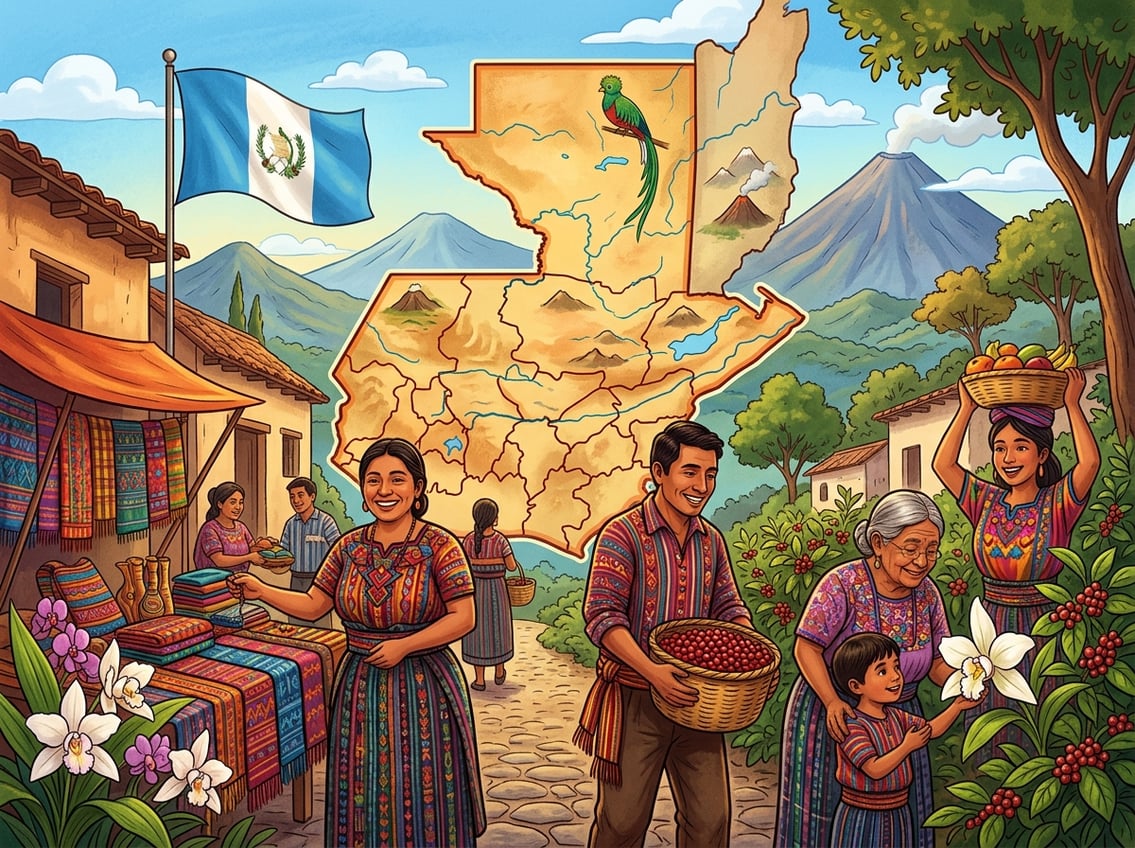
Core Meanings and Grammatical Uses
The word chapín is both a noun and adjective in Spanish. Historically, it was about footwear. Now, it’s a demonym for Guatemalans. For adjectives, gender matters: chapina is the feminine version.
Primary Noun Definitions
Historical Meaning
A cork shoe lined with cordovan leather worn by women in old Spain. Spanish conquistadors brought these high shoes to Guatemala.
Modern Primary Definition
| Usage | Definition | Example |
|---|---|---|
| chapín (masculine noun) | A Guatemalan person (male) | "Él es chapín" (He is Guatemalan) |
| chapina (feminine noun) | A Guatemalan person (female) | "Ella es chapina" (She is Guatemalan) |
Additional Noun Meanings
- A tropical fish like a boxfish
- A small flat-bottomed boat (Cuban Spanish)
- Tax paid during royal marriages in Castile (historical)
Adjective Application in Context
Chapín works as an adjective to describe Guatemalan nationality or origin. It needs to match the gender of the noun.
Gender Agreement Pattern
| Gender | Form | Example |
|---|---|---|
| Masculine singular | chapín | "comida chapín" (Guatemalan food - masculine) |
| Feminine singular | chapina | "cultura chapina" (Guatemalan culture) |
| Masculine plural | chapines | "restaurantes chapines" (Guatemalan restaurants) |
| Feminine plural | chapinas | "tradiciones chapinas" (Guatemalan traditions) |
Rule → Example:
Adjective follows the noun → "platillo chapín" (Guatemalan dish)
Alternative and Regional Senses
Regional Recognition
- Used in Costa Rica, El Salvador, Honduras, and Nicaragua for anything related to Guatemala.
Usage Patterns
| Context | Example | Level |
|---|---|---|
| Informal | "Soy chapín" | Casual |
| Formal | "Soy guatemalteco/guatemalteca" | Official |
| Self-identification | "chapín/chapina" | Preferred by Guatemalans |
Unrelated Meaning
- In some dialects: “chapín” = bowlegged person (rare, not related to Guatemalan meaning)
Origins and Etymology of Chapín
Chapín started as a word for a type of platform shoe in medieval Spain, named for the “chap chap” sound on cobblestones. Spanish colonizers brought the shoes and the term to Latin America, where it changed into a Guatemalan identity marker.
Spanish Footwear and Social Status
Original Spanish Chapín Characteristics:
| Feature | Description |
|---|---|
| Sole | Suela de corcho (cork sole), up to 50 cm tall |
| Interior Lining | Silk, velvet, or cordovan leather |
| Base | Wooden plate (clog style) |
| Sound | “Chap chap” on cobblestone |
- Zapatos chapines were status symbols for Spanish nobility.
- Worn by Spanish nobles, wealthy women, and criollos (colonial Spanish descendants).
- The shoes made wearers look taller than locals - just an illusion, honestly.
Onomatopoeic Roots and Historical Usage
Sound-Based Etymology:
- Chapín comes from the “chap chap” noise of wooden soles.
- Onomatopoeic origin links the word to the shoes.
Related Historical Terms:
| Term | Meaning | Context |
|---|---|---|
| Gachupín | Peninsular Spaniard | Mocking nickname (16th-17th centuries) |
| Chapetón | Spaniard in America with flashy shoes | Colonial nickname |
| Cachopines | Spanish surname | Basis for mockery terms |
- These terms were once synonyms with negative, mocking tones for Spanish elites in the Americas.
From Spain to Latin America
Colonial Spread:
| Period | Location | Usage |
|---|---|---|
| 15th–16th century | Spain | Noble footwear |
| 16th–17th century | Guatemala | Spanish settlers’ shoes |
| Post-independence | Guatemala | National identity term |
- Indigenous people called Spanish colonizers “chapines” because of their shoes.
Evolution of Meaning:
- Spanish nobles with tall shoes
- Colonial administrators in Guatemala
- Criollos using the word after independence
- Now: All Guatemalans, any background
Rule → Example:
After independence, chapín became a national term → "Somos chapines" (We are Guatemalans)
Chapín as a Symbol of Guatemalan Identity
Chapín went from a colonial label to the main identity marker for Guatemalans everywhere.
Adoption as a Demonym
Usage by Era:
| Era | Who Used It | Meaning |
|---|---|---|
| Colonial | Spanish settlers, criollos | Class/status term |
| Post-independence | Criollos, upper class | Status symbol |
| Modern | All Guatemalans | National identity |
Current usage patterns:
| Context | Term Used | Formality |
|---|---|---|
| Official docs | guatemaltecos | Formal |
| Conversation | chapines | Informal |
| Self-ID | chapín/chapina | Neutral/Proud |
| Abroad | chapín | Identity marker |
Cultural Expressions and Everyday Language
Common expressions:
- Soy chapín – I’m Guatemalan
- Orgullo chapín – Guatemalan pride
- Comida chapina – Guatemalan food
- Estilo chapín – Guatemalan style
Popular slang combos:
- Qué chilero ser chapín – How cool to be Guatemalan
- Chapín de corazón – Guatemalan at heart
- Puro chapín – 100% Guatemalan
Rule → Example:
Guatemalans abroad use chapín to stand out → "Los chapines en EE. UU."
Chapina and Gendered Usage
| Speaker/Subject | Form | Example |
|---|---|---|
| Male | chapín | Él es chapín |
| Female | chapina | Ella es chapina |
| Mixed/plural | chapines | Somos chapines |
| All-female | chapinas | Ellas son chapinas |
- "Los chapines" can mean all Guatemalans, any gender.
- Businesses often use "chapín" for branding.
- Both forms - chapín and chapina - carry equal pride.
Colonial History and Nickname Evolution
Chapín, gachupín, and chapetón were once linked in colonial Guatemala, all pointing to Spanish settlers or their kids. Over time, they split into unique identities.
Gachupines, Chapetones, and Synonyms
| Term | Original Meaning | Social Context |
|---|---|---|
| Gachupín | Spaniards from Spain | Mocked in colonial Mexico/Central America |
| Chapetón | Newcomer Spaniards in America | Known for flashy shoes |
| Chapín | Guatemalan-born Spanish elite | Once a synonym for the above |
| Criollo | Spanish descent, born in Guatemala | Not peninsular Spaniard |
- Gachupín comes from the surname Cachopines
- All three were phonetically similar.
- Spanish author Francisco Peréz de Antón listed them as synonyms.
- These words often had negative, mocking vibes in colonial times.
Role in Post-Independence Society
Term Evolution After Spanish Rule
Before Independence:
- Guatemala was the center of the Kingdom of New Spain.
- Chapines, gachupines, and chapetones controlled the economy and politics.
- Other Spanish colonies used chapín to label Guatemalans in authority.
- The term linked only to elite Spanish families.
After Independence:
- Guatemalan criollos started using chapín as a badge of identity.
- Spaniards returning to Guatemala kept the mocking gachupín nickname.
- Chapín and gachupín became opposites.
- Chapín grew to mean any Guatemalan, not just the elite.
- The word lost its tie to social class and Spanish roots.
Chapín in Literature and Popular Culture
The word chapín pops up all over Spanish and Guatemalan literature, from old novels to modern pop culture. It shifted from describing Spanish nobles to standing for Guatemalan national identity.
Classical Literary References
First Literary Mention
Miguel de Cervantes mentioned chapín in Don Quixote as "Cachopines":
"Aunque el mío (el linaje) es de los Cachopines de Laredo…, no le osaré yo compararlo con el del Toboso de La Mancha"
Translation: "Although my lineage is from the Cachopines of Laredo…, I will not dare to compare it with that of Toboso de La Mancha"
Context and Purpose
- Cervantes poked fun at Spanish nobles boasting about their bloodlines.
- Spaniards used the term among themselves.
- Cachopines later morphed into gachupín and then chapín in Guatemala.
Modern Representations in Music and Humor
Contemporary Usage
| Context | Expression | Meaning |
|---|---|---|
| Music lyrics | somos chapines de corazón | we're Guatemalans at heart |
| Food culture | viva la comida chapina | long live Guatemalan food |
| Identity | chapina (feminine) | Guatemalan woman |
You'll spot chapín in songs, comedy, and social media as a symbol of national pride. People use it freely now, with no thought of the original platform shoes.
Historical Figures: Juan Chapín and José Milla y Vidaurre
Literary Character Development
José Milla y Vidaurre wrote Un viaje al otro mundo pasando por otras partes (A Trip to the Other World Passing Through Other Parts) in 1874, in three volumes.
Juan Chapín Character Traits
- Ironic
- Joyful
- Naive
- Sometimes a bit sly
- Represented people from Guatemala City
Milla y Vidaurre’s Juan Chapín poked fun at city dwellers, turning the term from a colonial label into a local cultural symbol with personality and humor.
Other Uses and Curiosities
"Chapín" isn’t just about Guatemalans - it pops up in marine life, place names, and as a regional nickname across the Spanish-speaking world.
Zoological and Nautical Meanings
Marine Definition
- Real Academia Española: chapín = a fish like a boxfish living in tropical seas.
Nautical Context
- Also means a small, flat-bottomed boat (bote pequeño de fondo plano), though you hardly hear this now.
Recognition Patterns
- Fish: technical/regional usage
- Boat: old-fashioned, mostly in historical texts
- Today: rarely used outside these fields
Rule → Example:
- Rule: For most learners, chapín means "Guatemalan," not fish or boat.
- Example: "Mi amigo es chapín" = "My friend is Guatemalan."
Place Names and Derivatives
Related Terms
| Term | Meaning | Context |
|---|---|---|
| Chapinero | Makes/sells chapines | Neighborhood in Bogotá, Colombia |
| Chapinería | Place where chapines were made | Town in Madrid, Spain |
- Madrid’s Chapinería: named for the metal-tipped shoes worn by shepherds.
- Bogotá’s Chapinero: named after a 17th-century shoemaker, Antón Hero Cepeda, who made chapines.
Geographic Distribution
- These names keep the history of chapín footwear alive in Spanish-speaking places.
Comparisons with Other Spanish Nicknames
Regional Identity Terms
| Country | Nickname | Origin |
|---|---|---|
| Guatemala | Chapín/Chapina | Footwear from Spanish colonial times |
| Mexico | Chilango | Mexico City residents |
| Costa Rica | Tico/Tica | Diminutive suffix -tico |
| Colombia | Rolo | Bogotá residents |
Usage Characteristics
- All are informal identity labels.
- Tone (affectionate or neutral) depends on context.
- They mostly stay local.
- Chapín is just for Guatemalans.
Rule → Example:
- Rule: Use regional nicknames only in their country of origin.
- Example: "Soy chapín" (Guatemala), "Soy chilango" (Mexico City).
Learning Application
- Recognizing these nicknames helps you blend in when traveling or watching regional media.
Frequently Asked Questions
The word "chapín" means different things in Spanish. It’s a historical women’s shoe, but today, it’s mostly Guatemalan slang for a person from Guatemala. These FAQs cover pronunciation, translation, regional use, and sensitivities.
What is the meaning of "chapín" as a Spanish slang term?
Primary Slang Meaning
| Context | Meaning | Region |
|---|---|---|
| Guatemalan identity | Person from Guatemala | Guatemala, Central America |
| Historical origin | Wore cork platform shoes | Colonial Guatemala |
- Specifically used for people from Guatemala City, especially those from Zone 1.
- Originally for wealthy Spanish descendants (criollos and mestizos) who wore cork platform shoes called chapines.
Gender Variations
- Chapín – male Guatemalan
- Chapina – female Guatemalan
- Chapincito/Chapincita – diminutive, affectionate or for kids
Rule → Example:
- Rule: Indigenous Guatemalans usually don’t identify as chapines.
- Example: Calling a Maya person "chapín" may not be welcome.
How is "chapín" translated into English in common usage?
Translation Options
| Spanish | English Translation | Usage Context |
|---|---|---|
| chapín/chapina | Guatemalan (person) | Nationality/identity |
| chapín (historical) | cork platform shoe | 15th–17th century footwear |
| chapín (footwear) | chopine | English term for shoe |
In English, "chapín" usually means "Guatemalan." The shoe meaning is rare and needs more context.
- "She's chapina, from Guatemala."
- "I love chapín food."
- "My friend is a chapín guy."
People often leave "chapín" untranslated when talking about Guatemalan identity.
How do you pronounce "chapín" correctly in Spanish?
| Component | Sound | English Approximation |
|---|---|---|
| cha- | [t͡ʃa] | "cha" in "chart" |
| -pín | [ˈpĩn] | "peen" with nasal "n" |
| Stress | 2nd syllable | cha-PEEN |
IPA: [t͡ʃaˈpĩn]. Accent on "í" means stress is on the last syllable.
Pronunciation Elements
- "ch" like English "ch"
- "a" is short, as in "car"
- Final "n" is slightly nasal
- Two syllables, stress on the second
How is "chapín" used in Guatemala, and what does it refer to there?
Geographic Specificity
| Original Usage | Current Usage |
|---|---|
| Zone 1, Guatemala City residents | All Guatemalans |
| Ladino/mestizo descendants | National identity (informal) |
- Started with Guatemala City’s Zone 1, descendants of colonial Spanish settlers who wore cork shoes.
- José Milla y Vidaurre made the term popular with his 1865 character Juan Chapín.
Cultural Characteristics
- Prefer Guatemalan chocolate
- Enjoy tamales and pipián
- Attend December bullfights
- Use old Spanish forms (vos, habís, tené, andá)
- Strong loyalty to Guatemala City
There’s a Juan Chapín Avenue in Zone 1, between Candelaria Street and Cerrito del Carmen.
Is "chapín" considered offensive or disrespectful in any contexts?
Sensitivity Considerations
| Group | Reception | Reason |
|---|---|---|
| Ladino Guatemalans (urban) | Positive or neutral | Pride, identity |
| Indigenous Maya Guatemalans | Often negative | Colonial roots, exclusion |
| Guatemalan diaspora | Positive | National pride |
- Indigenous Guatemalans often don’t identify as chapines and may dislike the term due to its colonial background.
Appropriate Usage Contexts
- Informal chats among Guatemalans
- Talking about Guatemalan food or traditions
- Self-identification by ladino Guatemalans
Rule → Example:
- Rule: Use "chapín" in casual, culturally aware settings.
- Example: "¡Viva la comida chapina!" in a Guatemalan restaurant.