What Does Queso Mean in Spanish – Microlearning for True Recall
Queso pops up in idioms and all sorts of food contexts
Posted by
 Stewart Kaplan
Related reading
What Does Adonde Mean in Spanish? How Movement 'Clicks' for Learners
You have to know when prepositions combine with donde to show direction or position
What Does Ahi Mean in Spanish? Cognitive Mastery That Sticks
Learners mix up ahí, hay, and ay because they sound the same but mean totally different things.
What Does Aki Mean in Spanish: Unpacking Real Usage for Learners
Regional differences exist, but nearly everyone in Spanish-speaking communities gets what "aki" means in a text
TL;DR
- Queso means "cheese" in English and comes from the Latin word "caseus"
- It's a masculine noun (el queso, los quesos), used everywhere in the Spanish-speaking world
- Each country has its own cheese types - think Mexican queso fresco or Spanish manchego
- Knowing queso words helps with ordering food, reading recipes, and chatting about meals
- Queso pops up in idioms and all sorts of food contexts
Etymology and Linguistic Origins
Queso comes from Latin caseus, following the usual sound changes you see in Spanish words from Latin. It’s a masculine noun, and you’ll notice its cousins in other Romance languages, each with a twist on the original.
From Latin Roots to Modern Spanish
Latin Origin
The Spanish word queso comes from Latin caseus, which meant cheese in ancient Rome.
Sound Evolution Timeline
| Stage | Form | Approximate Period |
|---|---|---|
| Classical Latin | caseus | 1st BCE–5th CE |
| Medieval Spanish | caisu | 6th–10th century |
| Old Spanish | queisu | 11th–14th century |
| Modern Spanish | queso | 15th century–present |
Key Sound Changes
- Latin ca- became Spanish que-
- The -s- stayed the same
- The -us ending dropped
Rule → Example:
Latin "caseus" drops the "-us" and shifts "ca-" to "que-": caseus → queso
Transformation Across Romance Languages
| Language | Word | Latin Source | Meaning |
|---|---|---|---|
| Spanish | queso | caseus | cheese |
| Italian | cacio | caseus | cheese |
| Portuguese | queijo | caseum | cheese |
| French | fromage | formaticus | cheese |
Rule → Example:
French uses "fromage" from "formaticus" (the cheese mold), not "caseus": formaticus → fromage
Portuguese queijo and Spanish queso both come from Latin "cāseum" (accusative of caseus). Old Leonese had "keso" - pretty close.
Grammatical Gender and Usage
Gender and Articles
| Word | Gender | Example |
|---|---|---|
| queso | masculine | el queso |
| quesos | masculine | los quesos |
Rule → Example:
Always use masculine articles: el queso, los quesos (never la queso)
Common Usage Patterns
| Spanish | English |
|---|---|
| el queso | the cheese |
| un queso | a cheese |
| de queso | cheese (adjective) |
| queso fresco | fresh cheese |
| queso fundido | melted cheese |
Rule → Example:
Adjectives must match gender: queso fresco (not fresca)
Rule → Example:
Use "mucho" (not mucha) for masculine: mucho queso
Rule → Example:
Demonstratives agree: este queso (not esta queso)
Core Meanings and Cultural Significance
| Spanish | English | Gender | Plural |
|---|---|---|---|
| el queso | the cheese | masculine | los quesos |
| queso fresco | fresh cheese | masculine | quesos frescos |
| queso duro | hard cheese | masculine | quesos duros |
Common Types of Queso by Region
- Mexico: queso fresco, queso Oaxaca, queso panela
- Spain: manchego, queso de cabra, queso curado
- Argentina: queso de campo, queso cremoso
- Chile: queso chanco, queso mantecoso
Cultural Roles
- Cheese boards (tablas de queso) at family gatherings
- Market stalls selling local cheeses
- Restaurants showcasing regional quesos
- Holiday dishes with traditional cheese recipes
| Role | Example |
|---|---|
| Family traditions | Homemade queso, passed-down recipes |
| Local economy | Artisan cheese producers, protected status |
Popular Queso Varieties and Regional Traditions
| Cheese Type | Texture | Main Use | Melts? |
|---|---|---|---|
| Manchego | Semi-firm | Quesadillas, pizza | Yes |
| Oaxaca | Stringy, soft | Grilling, melting | Yes |
| Requesón | Lumpy, grainy | Fillings, salads | No |
Queso Manchego (Tipo Manchego)
- Semi-firm, yellow, made from cow’s milk (not sheep like Spanish Manchego)
- Popular for melting - think quesadillas or pizza
Oaxaca Cheese (Quesillo)
- Stretched, kneaded curds, shaped into balls
- Buttery, melts great
- Used in tlayudas, quesadillas, grilled foods
Requesón
- Made from whey, similar to ricotta but lumpier and tangier
- Used in tlacoyos, gorditas, squash blossoms
Fresh vs. Aged Queso
| Category | Examples | Shelf Life | Best Use |
|---|---|---|---|
| Fresh | Fresco, panela | Days–2 weeks | Toppings, snacks |
| Aged | Cotija, añejo | Months–1 year | Grating, finishing |
Fresh Varieties
- Queso fresco: crumbly, mild, doesn’t melt
- Panela: firmer, skim milk, can be grilled
Aged Varieties
- Cotija: aged 2 months–1 year, salty, crumbly, doesn’t melt
- Good on elotes, tacos, or cheese boards
Regional Differences in Cheese-Making
| Region | Notable Cheese | Technique/Notes |
|---|---|---|
| Oaxaca | Quesillo | Stretched curd, unraveled by hand |
| Michoacán | Cotija | Brined, aged, protected origin |
| Chihuahua | Asadero | Melting cheese, short aging, originally raw milk |
| Fact | Value |
|---|---|
| Small-scale producers | 70% of Mexican cheese |
| Milk used for cheese in Mexico | Nearly 25% |
Queso in Spanish Cuisine and Daily Life
Classic Dishes with Queso
- Quesadillas: Tortillas with melted cheese (Oaxaca or Chihuahua), folded and griddled
- Enchiladas con queso: Rolled tortillas, cheese sauce, baked
- Chiles rellenos: Poblano peppers stuffed with queso fresco or manchego, battered and fried
- Empanadas de queso: Pastries filled with soft white cheese, baked or fried
Queso as a Topping
| Use Case | Cheese Type | Dish Example |
|---|---|---|
| Grated | Queso rallado | Pasta, soups, casseroles |
| Pizza | Mozzarella, Oaxaca, blanco | Latin American pizza |
Breakfast with Queso
- Queso fresco crumbled over eggs, beans, or arepas
- Cheese on toast as a quick breakfast (varies by region)
Cheese in Baked Goods and Sweets
Desserts Featuring Queso
| Dessert Type | Main Cheese | Description |
|---|---|---|
| Tarta de queso | Cream cheese or queso fresco | Spanish-style cheesecake, lighter than American |
| Flan de queso | Cream cheese | Custard dessert with caramel topping |
| Pastel de queso | Queso crema | Latin American cheesecake variations |
Savory-Sweet Combinations
- Pastries combine queso blanco with guava paste for sweet-savory breakfasts.
- Cheese boards often pair cheese with dulce de membrillo (quince paste).
Regional Baking Traditions
| Country | Baked Item | Cheese Used |
|---|---|---|
| Venezuela | Cachapas | Queso de mano |
| Colombia | Almojábanas | Cuajada |
Street Food and Quick Bites
Popular Street Foods
- Queso fundido: Melted cheese in a skillet, served with tortillas
- Elotes con queso: Grilled corn, queso fresco, chili powder
- Sincronizadas: Tortilla sandwiches with ham and cheese
- Molletes: Bread with refried beans and melted cheese
Quick Service Items
- Queso dip with chips, spicier than American versions, common at food stands in Mexico and border regions.
Market and Festival Foods
- Queso fresco sold fresh in rounds or blocks
- Grilled cheese sandwiches with local cheeses
- Fried cheese sticks and cheese-stuffed dough at festivals
Learning and Mastering Queso Vocabulary
Visual Associations and Practice Techniques
| Technique | Application | Retention Benefit |
|---|---|---|
| Image pairing | Match queso to cheese photos | Visual-verbal connection |
| Color coding | Use yellow/white for fresh, orange for aged | Sensory memory |
| Label practice | Tag kitchen items with Spanish names | Environmental triggers |
| Recipe reading | Follow queso recipes in Spanish | Action-based vocabulary |
- Look at a cheese image
- Say queso + type aloud
- Write the phrase
- Use in a sentence
- Review from memory
Common Cheese Vocabulary Pairs
- queso fresco – fresh cheese
- queso rallado – grated cheese
- queso duro – hard cheese
- queso suave – soft cheese
- queso maduro – aged cheese
Rule → Example
Rule: Combine taste memory with spoken practice for faster recall
Example: Eat queso fresco while saying “queso fresco” aloud
Using Queso in Conversation and Writing
High-Frequency Phrases for Immediate Use
| Context | Spanish Phrase | English Translation |
|---|---|---|
| Ordering | ¿Tiene queso fresco? | Do you have fresh cheese? |
| Shopping | Necesito medio kilo de queso | I need half a kilo of cheese |
| Cooking | Agrega el queso rallado | Add the grated cheese |
| Preferences | Me gusta el queso manchego | I like manchego cheese |
Informal vs. Formal Usage
- Informal: ¿Me pasas el queso? (Can you pass me the cheese?)
- Formal: ¿Podría pasarme el queso, por favor? (Could you pass me the cheese, please?)
- Read phrase with translation
- Repeat phrase aloud three times
- Cover translation, recall meaning
- Create a new sentence with same structure
- Write new phrase from memory
Rule → Example
Rule: Use personal food preferences to create original sentences
Example: “Prefiero queso manchego en mi sándwich.”
Transitioning Between Spanish and English Contexts
Code-Switching Patterns
| Setting | Language Choice | Example |
|---|---|---|
| Spanish restaurant | Use queso | Quiero quesadillas con queso Oaxaca |
| English grocery | Use cheese | I need cheddar cheese |
| Bilingual home | Mix | Pass the queso fresco |
| Spanish class | Always queso | El queso es delicioso |
Translation Direction Practice
- English → Spanish: "I want cheese" → Quiero queso
- Spanish → English: Compré queso ayer → "I bought cheese yesterday"
- Mixed: "The queso is in the fridge"
Mental Switching Drills
- Read an English cheese sentence
- Translate to Spanish
- Switch back to English
- Try new sentence structures
Practical Applications: Recipes and Expressions
Essential Queso Recipes for Learners
| Recipe Name | Spanish Term | Key Ingredients | Difficulty |
|---|---|---|---|
| Melted cheese dip | Queso fundido | Queso Oaxaca, chorizo, peppers | Easy |
| Cheese toast | Pan con queso | Bread, grated cheese, butter | Easy |
| Cheesecake | Tarta de queso | Cream cheese, eggs, sugar | Medium |
| Fresh cheese salad | Ensalada con queso fresco | Lettuce, tomatoes, fresh cheese | Easy |
Common Cooking Phrases
- Ralla el queso (Grate the cheese)
- Derrite el queso (Melt the cheese)
- Agrega queso rallado (Add grated cheese)
- Cubre con queso (Cover with cheese)
Regional Queso Recipes
| Country | Dish | Cheese Used |
|---|---|---|
| Mexico | Queso fresco salads | Queso fresco |
| Mexico/US | Queso fundido | Queso Oaxaca |
| Spain | Tarta de queso | Cream cheese |
| Argentina | Pasta with cheese | Queso crema |
Common Idiomatic Uses of Queso
Figurative Expressions
| Expression | Literal Meaning | Usage |
|---|---|---|
| Dársela con queso | To give it with cheese | To trick someone |
| Ser del año del queso | From the year of cheese | To be very old/outdated |
| A otro perro con ese queso | To another dog with that cheese | To dismiss a story |
Culinary Descriptors
| Descriptor | Meaning | Usage Example |
|---|---|---|
| Bien quesudo | Very cheesy | Pizza bien quesuda |
| Con mucho queso | With lots of cheese | Pasta con mucho queso |
| Extra de queso | Extra cheese | Hamburguesa extra de queso |
Building Your Own Queso Board
| Category | Spanish Term | Examples |
|---|---|---|
| Soft cheese | Queso blando | Queso fresco, requesón |
| Hard cheese | Queso duro | Manchego, aged cheddar |
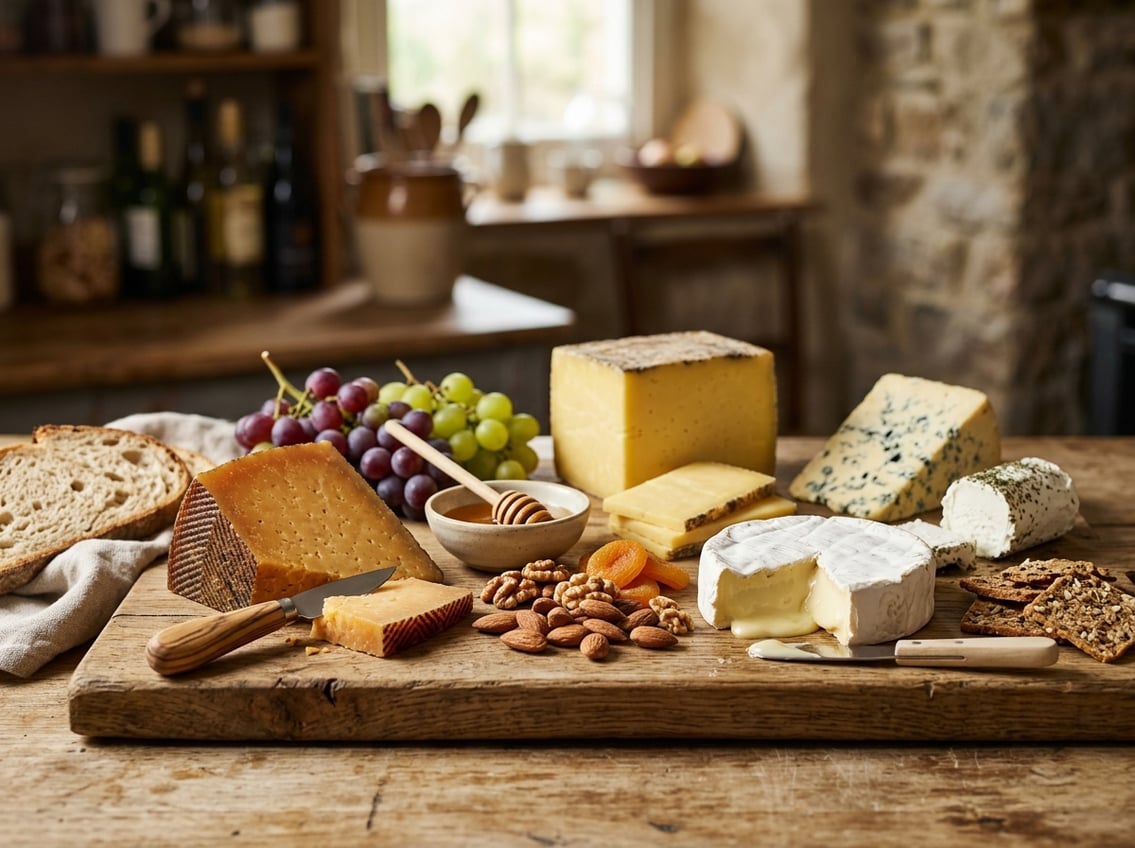
| Accompaniments | Acompañamientos | Crackers, fruits, nuts |
| Presentation | Presentación | Wooden board, small knives |
Assembly Vocabulary
- Selecciona tres o cuatro quesos (Select three or four cheeses)
- Corta el queso en rebanadas (Cut cheese into slices)
- Añade frutas y nueces (Add fruits and nuts)
- Sirve con galletas saladas (Serve with crackers)
Ordering at Shops
- ¿Tiene queso de cabra? (Do you have goat cheese?)
- Quiero 200 gramos de queso manchego (I want 200 grams of manchego cheese)
- ¿Cuál queso recomienda? (Which cheese do you recommend?)
Frequently Asked Questions
Is it simply the Spanish word for "cheese," or does it have other meanings?
Primary meaning:
- Cheese (the dairy product)
| Context | Meaning | Region |
|---|---|---|
| Standard Spanish | Cheese (any type) | All Spanish-speaking |
| English/Tex-Mex | Cheese dip | United States |
| Mexican cuisine | Melted cheese dish | Mexico, US Southwest |
- In Spanish: refers to all cheese types, not just dip or sauce
- In American English: often means melted cheese appetizer
How is the word pronounced in Spanish?
| Syllable | Sound | English Approximation |
|---|---|---|
| que- | KEH | Like "keh" in "kept" |
| -so | soh | Like "so" in "soap" |
- Pronounced: KEH-soh
- Two syllables, even stress
- The "u" is silent
Common Mistakes
- Saying "KWAY-so" (incorrect)
- Pronouncing the "u" (incorrect)
Does the term have a slang meaning, such as referring to body fat?
| Language/Region | Slang for Body Fat? | Notes |
|---|---|---|
| Standard Spanish | No | Only means cheese |
| Some local dialects | Rare, limited | Not widespread |
| English contexts | No | Food-specific only |
What does "con queso" translate to in English?
| Spanish phrase | English translation | Context |
|---|---|---|
| Con queso | With cheese | Any dish |
| Nachos con queso | Nachos with cheese | Mexican/Tex-Mex food |
| Tacos con queso | Tacos with cheese | Mexican cuisine |
- On menus, means cheese is added (sometimes melted or as a dip, especially in Tex-Mex)
In Mexican Spanish, what does the word commonly refer to in food contexts?
General usage:
- Any cheese (generic)
- Fresh cheese
- Aged cheese
Common Mexican cheese types:
| Cheese name | Description |
|---|---|
| Queso fresco | Crumbly, fresh white cheese |
| Queso Oaxaca | Stretchy, stringy cheese (like mozzarella) |
| Queso Cotija | Hard, salty, crumbly aged cheese |
| Queso Chihuahua | Mild, soft, melts easily |
Recipe usage:
Rule → Example
Use the full cheese name for clarity in recipes.
Example: “Agrega queso Oaxaca al relleno.”