What Does Costa Rica Mean in Spanish? Microlearning That Clicks
Central America's Republic of Costa Rica has kept this name since Spanish colonization in the 16th century
Posted by
 Stewart Kaplan
Related reading
What Does Adonde Mean in Spanish? How Movement 'Clicks' for Learners
You have to know when prepositions combine with donde to show direction or position
What Does Ahi Mean in Spanish? Cognitive Mastery That Sticks
Learners mix up ahí, hay, and ay because they sound the same but mean totally different things.
What Does Aki Mean in Spanish: Unpacking Real Usage for Learners
Regional differences exist, but nearly everyone in Spanish-speaking communities gets what "aki" means in a text
TL;DR
- Costa Rica translates to "rich coast" in Spanish - costa means coast, rica means rich, a nod to the wealth Spanish explorers thought they’d found in the 1500s
- The name’s the same in Spanish and English; pronunciation’s a bit different (COH-stah REE-kah in Spanish, KOH-stuh REE-kuh in English)
- Locals call themselves "ticos" (male) or "ticas" (female) - comes from their fondness for the "-tico" suffix instead of "-tito"
- The colón (₡) is the official currency, named after Christopher Columbus (Cristóbal Colón in Spanish), but U.S. dollars are everywhere
- Central America's Republic of Costa Rica has kept this name since Spanish colonization in the 16th century
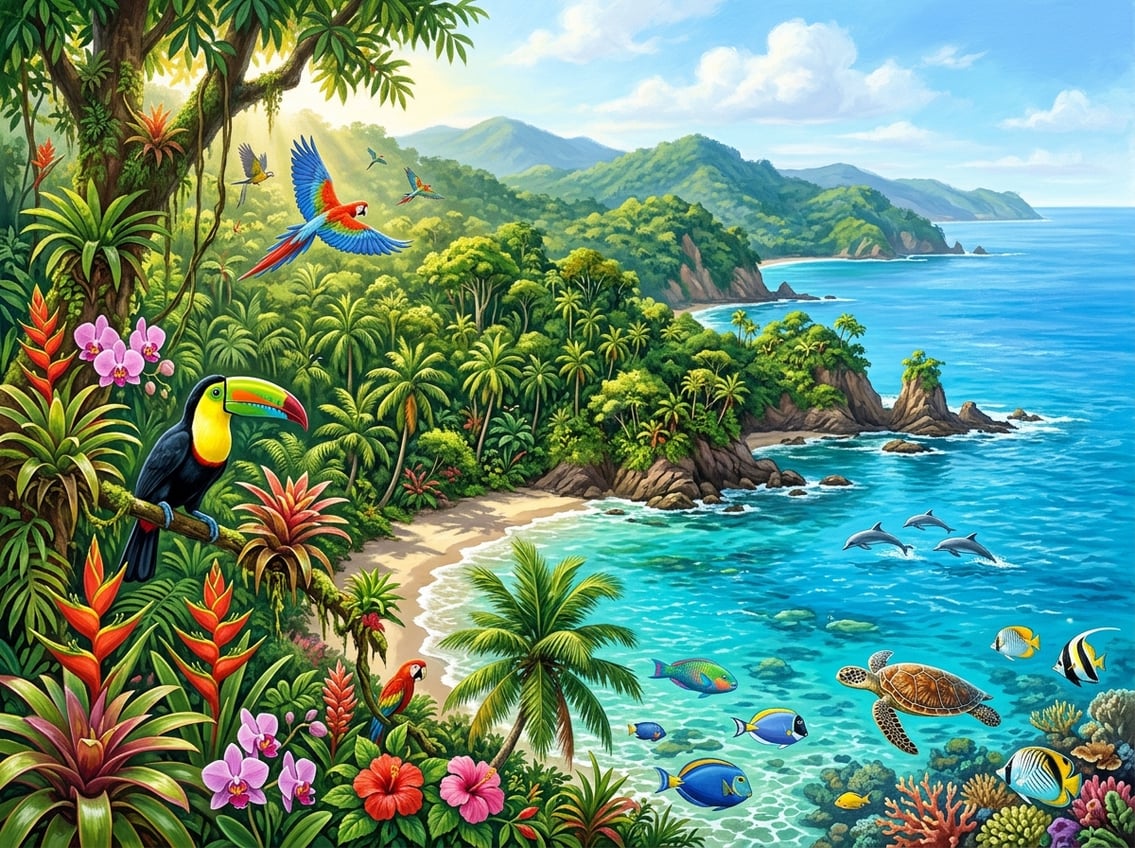
Meaning and Origin of the Name
The name Costa Rica translates directly to "Rich Coast" in Spanish, coming from early Spanish exploration in the 1500s.
Literal Translation and Etymology
| Spanish Component | English Translation | Grammatical Function |
|---|---|---|
| Costa | Coast | Feminine noun |
| Rica | Rich | Feminine adjective |
Rule → Example:
Adjective agrees in gender with noun in Spanish.
Costa (feminine noun) + rica (feminine adjective): Costa Rica
- Costa = coastline or coastal region
- Rica = from Latin dives, meaning wealthy or abundant
- Standard Spanish adjective-noun agreement applies
The official name, República de Costa Rica, keeps this structure.
Historical Context of Naming
Origin accounts:
| Explorer | Year | Event |
|---|---|---|
| Christopher Columbus | 1502 | Landed on the east coast, saw gold jewelry |
| Gil González Dávila | 1522 | Landed on west coast, found gold among locals |
| Explorer Belief | Reality |
|---|---|
| Lots of gold | Precious metals were scarce |
| Wealthy territory | Became one of the poorest colonies |
| Rich resources | Lacked silver/gold compared to others |
Rule → Example:
Early explorers named places for perceived riches.
Costa Rica = “Rich Coast,” but the area had little gold.
A Spanish governor in 1719 called Costa Rica "the poorest and most miserable Spanish colony in all America."
Variations in Spanish Expressions
Formal and Official References
| Context | Spanish Term | Usage |
|---|---|---|
| Legal documents | República de Costa Rica | Government, treaties, constitutions |
| News media | Costa Rica | Newspapers, broadcasts |
| Academic writing | Costa Rica | Research, reports |
| International organizations | Costa Rica | UN, trade agreements |
- "República de Costa Rica" appears on passports, seals, and government letters.
- Most writing just uses "Costa Rica."
- Government offices in San José use the full name in all official communications.
Informal and Colloquial Terms
| Term | Meaning | Example |
|---|---|---|
| Tiquicia | Playful nickname | "Regreso a Tiquicia mañana" |
| Tiquita | Affectionate diminutive | Used among close friends |
| CR | Abbreviation | "Vivo en CR" (on social media) |
Rule → Example:
Costa Ricans call themselves ticos or ticas due to their use of the "-tico" diminutive.
Phrase: "Somos ticos."
- "Costa" alone is rare in speech but pops up in texts or online.
Regional Nicknames and Usage
| Region | Variation | Note |
|---|---|---|
| San José/Central Valley | Standard Costa Rican Spanish; "usted" pronoun | Sets standard for the country |
| Guanacaste | More "vos" pronoun; Nicaraguan influence | Regional slang |
| Limón | Caribbean Spanish elements | Local vocabulary |
| Panama border | "tú" pronoun more common |
- Guanacaste: more slang and northern influence
- Central Valley: more standardized references
Costa Rican Culture and Language Nuances
Common Foods and Vocabulary
| Spanish | English | Context |
|---|---|---|
| café | coffee | Daily staple, main export |
| banana/banano | banana | Common food |
| tamal | tamale | Traditional, especially holidays |
| tamales | tamales | Plural, often homemade |
| tienda | small shop | Neighborhood corner store |
| platano | plantain | Used for cooking |
| mercado | market | Food shopping, local goods |
| soda | small restaurant | Local food spot |
Rule → Example:
Use "el tamal" (singular), "los tamales" (plural).
- "Un café, por favor" = order coffee
- "¿Cuánto cuesta el tamal?" = ask price at a shop
Market Vocabulary:
- pulpería = small shop (synonym for tienda)
Typical Daily Life Terms
| Phrase | Literal Translation | Actual Use |
|---|---|---|
| Pura vida | Pure life | Hello, goodbye, all good |
| Tuanis | - | Cool, awesome |
| Mae | Dude | Friend, person |
| ¿Qué mae? | What dude? | What's up? |
| Location | Spanish Term | Note |
|---|---|---|
| Capital city | San José | Pronounced "sahn ho-SEH" |
| Downtown | el centro | Central area |
| Bus stop | la parada | Transportation |
| Corner shop | pulpería | Also called tienda |
- chunche = thing/stuff (catchall word)
- mae = common in casual talk
- ¡Qué tuanis! = "How cool!"
Rule → Example:
Use tico/tica for Costa Rican identity.
Phrase: "Soy tico."
Process of Immigration and Travel
| Document | Spanish Term | Required For |
|---|---|---|
| Passport | pasaporte | All visitors |
| Tourist card | tarjeta de turismo | 90-day stays |
| Visa | visa | Longer stays/work |
| Immigration Word | Spanish | Meaning |
|---|---|---|
| Immigration office | inmigración | Where you get stamped |
| Customs | aduana | Goods check |
| Border | frontera | Country line |
| Stamp | sello | Mark in passport |
Entry Steps:
- Show passport (valid 6+ months)
- Get entry stamp (sello) from immigration
- Receive 90-day tourist permit (most nationalities)
- Keep the white immigration card until you leave
Extension Process:
- Go to immigration before 90 days are up
- Pay fee at Banco de Costa Rica
- Bring receipt (recibo) back to office
- Extensions: usually 30 days at a time
Rule → Example:
Border runs to Nicaragua or Panama restart the 90-day clock, but frequent trips may raise questions.
Money, Banking, and Everyday Transactions
| Currency | Spanish Term | Symbol |
|---|---|---|
| Colón | colón | ₡ |
| U.S. dollar | dólar estadounidense | $ |
| Transaction | Spanish | Context |
|---|---|---|
| ATM | cajero automático | Withdrawing cash |
| Taxi fare | tarifa de taxi | Standard cost in San José |
| Receipt | recibo | Proof of payment |
- U.S. dollars accepted in most places, but you’ll get change in colones.
- ATMs are everywhere, but watch for fees.
- Taxis: always ask for the tarifa before you get in.
Currency and Its Terms
Official Currency
- Costa Rican colón (plural: colones)
- Symbol: ₡
- Named after Christopher Columbus (Cristóbal Colón in Spanish)
Common Denominations
| Bills | Coins |
|---|---|
| ₡1,000 | ₡5 |
| ₡2,000 | ₡10 |
| ₡5,000 | ₡25 |
| ₡10,000 | ₡50 |
| ₡20,000 | ₡100 |
| ₡50,000 | ₡500 |
Essential Money Terms in Spanish
- dinero = money
- efectivo = cash
- cambio = change (coins/bills) or exchange rate
- billete = bill/note
- moneda = coin
- precio = price
- cuesta = it costs
Using ATMs and Banks
ATM Vocabulary
| Spanish Term | English |
|---|---|
| cajero automático | ATM |
| cuenta | account |
| saldo | balance |
| retiro | withdrawal |
| depósito | deposit |
| tarjeta de débito | debit card |
| tarjeta de crédito | credit card |
- ¿Dónde está el cajero más cercano? = Where's the nearest ATM?
- Quiero retirar dinero = I want to take out money
- ¿Cuál es la comisión? = What's the fee?
- Mi tarjeta no funciona = My card doesn't work
ATM Locations in San José
| Info | Details |
|---|---|
| Bank hours | Mon–Fri, 9:00 AM–4:00 PM |
| ATMs | 24/7 at most bank branches |
| Max withdrawal per use | Usually ₡200,000 |
Costs, Commissions, and Taxis
| Transaction Type | Typical Commission |
|---|---|
| ATM withdrawal (foreign card) | $3–$5 USD + bank fees |
| Currency exchange at bank | 2–3% |
| Credit card payment | 0–3% (varies) |
Taxi Terminology
- taxi = taxi
- tarifa = fare/rate
- taxímetro = meter
- parada de taxis = taxi stand
Common Taxi Phrases
- ¿Cuánto cuesta a...? = How much to...?
- Use el taxímetro, por favor = Please use the meter
- ¿Acepta dólares? = Do you take dollars?
Typical Costs in San José
| Item | Cost (Approximate) |
|---|---|
| Airport taxi (to downtown) | $25–$35 USD |
| Coffee at a tienda | ₡500–₡1,000 |
| Local meal | ₡3,000–₡5,000 |
| Bus fare | ₡300–₡600 |
Frequently Asked Questions
| Fact | Details |
|---|---|
| Meaning of "Costa Rica" | "Rich Coast" (Spanish origin) |
| Official language | Spanish |
| Visitors per year | Millions |
What is the literal translation of the country's name?
| Spanish Component | English Translation |
|---|---|
| Costa | Coast |
| Rica | Rich |
| Costa Rica | Rich Coast |
How do you pronounce the name correctly in Spanish?
| Word | Pronunciation |
|---|---|
| Costa | KOHS-tah |
| Rica | REE-kah |
| Costa Rica | KOHS-tah REE-kah |
- Stress is on the first syllable of each word.
- The "r" in Rica is rolled a bit by Spanish speakers.
What is the meaning of the name in English?
| Name | English Meaning | Origin |
|---|---|---|
| Costa Rica | Rich Coast | Named by explorers |
- Spanish explorers named the area after the coastline, hoping for riches.
Does the name have any slang meaning in Spanish?
| Usage | Meaning/Note |
|---|---|
| Costa Rica | No slang meaning |
| "CR" | Used as informal abbreviation in texts/social media |
- The name stays the same in both formal and informal Spanish.
What language is primarily spoken in the country?
| Language | Usage in Costa Rica |
|---|---|
| Spanish | Official; spoken by almost everyone |
| English | Taught in schools; common in tourist areas |