What Does Papi Mean in Spanish: Real Contexts, Fast-Track Mastery
Papi chulo: means "handsome" or "cool," but don’t toss it around carelessly
Posted by
 Stewart Kaplan
Related reading
What Does Adonde Mean in Spanish? How Movement 'Clicks' for Learners
You have to know when prepositions combine with donde to show direction or position
What Does Ahi Mean in Spanish? Cognitive Mastery That Sticks
Learners mix up ahí, hay, and ay because they sound the same but mean totally different things.
What Does Aki Mean in Spanish: Unpacking Real Usage for Learners
Regional differences exist, but nearly everyone in Spanish-speaking communities gets what "aki" means in a text
TL;DR
- Papi: literally "daddy" or "dad" in Spanish, mainly used by kids talking to their fathers
- Term of endearment: papi’s often used for romantic partners, friends, or even acquaintances - kind of like "buddy" or "my man" in English
- Context matters: papi can feel familial, flirty, or just casual; romantic use signals affection, but doesn’t have the same “power” vibe as English "daddy"
- Regional twist: papi pops up more in Caribbean Spanish (Puerto Rico, DR, Cuba) than in Mexico or Spain
- Papi chulo: means "handsome" or "cool," but don’t toss it around carelessly
Literal Meaning and Etymology
The word papi comes from papá. It’s a diminutive, and if you trace it back, it goes through Latin and even Ancient Greek, all about fathers.
From Padre and Papá to Papi
Evolution Chain:
- Latin: pāpa (father, papa)
- Ancient Greek: páppas (πάππας) (daddy, papa)
- Spanish: papá → papi
The Spanish word papi comes from papá, made cuter or more affectionate by the diminutive.
| Term | Literal Meaning | Relationship |
|---|---|---|
| padre | father/priest | formal paternal term |
| papá | dad | standard informal term |
| papi | daddy | affectionate diminutive |
| papito | little daddy | super affectionate |
Padre in Mexican Spanish slang can mean "cool," but that’s a whole different thing - doesn’t connect to the affectionate use of papi.
The Role of Diminutives in Spanish
Diminutive Formation Table:
| Base Word | + Diminutive | Effect |
|---|---|---|
| papá | papi | adds warmth/affection |
| papi | papito | makes it even cuter |
Diminutive Suffix Rule → Example:Rule: Add -i or -ito to soften or intensify affection. Example: papá → papi (warmer), papi → papito (cutest)
Key Pattern:
- Diminutives = closeness, informality, affection
Affectionate and Familial Uses
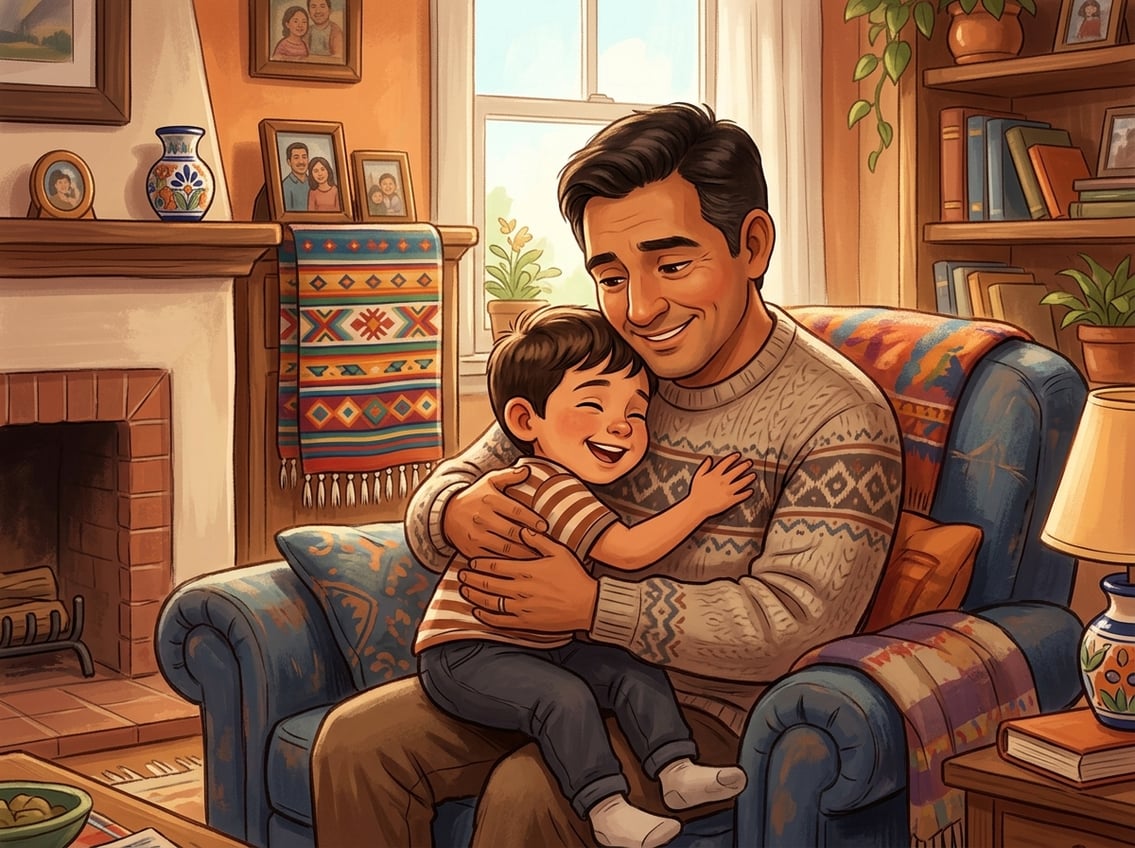
Kids in Spanish-speaking homes usually call their dad papi. Mi papi just makes it extra loving, popping up in everyday talk and those “aww” family moments.
How Children Use Papi With Parents
| Context | Example Phrase | English Translation |
|---|---|---|
| Asking for help | "Papi, ¿puedes ayudarme?" | "Dad, can you help me?" |
| Greeting | "¡Hola papi!" | "Hi daddy!" |
| Getting attention | "Papi, mira esto" | "Dad, look at this" |
Age-Based Use:
- 2–7 years: "papi" or "papito" (super affectionate)
- 8+ years: "papi" or "papá" (a bit more grown-up)
- Teens: Mix of "papi" (affectionate) and "padre" (formal/respectful)
Kids learn "papi" early - it’s warmer than "padre."
Mi Papi as Family Bonding
| Phrase | Literal Translation | Emotional Weight |
|---|---|---|
| Mi papi | My daddy | Very affectionate |
| Mi papito | My little daddy | Maximum sweetness |
| Nuestro papi | Our dad | Family togetherness |
Typical Situations for Mi Papi:
- Introducing dad to others
- Showing pride in him
- Sharing emotional moments
- Telling family stories
"Mi" makes papi a statement of belonging. Latin American families use it all the time, both casually and on special days.
Romantic and Flirtatious Contexts
In romance, papi flips from family to flirty. Couples use it for attraction, affection, and intimacy. Sometimes it’s playful, sometimes it’s more direct.
Papi in Relationships
Romantic Uses Table:
| Use Case | Spanish Example | English Equivalent |
|---|---|---|
| Pet name | Te amo, papi | I love you, baby |
| Morning greeting | Buenos días, papi | Good morning, handsome |
| Flirty invitation | Ven aquí, papi | Come here, baby |
| Compliment | Mi papi hermoso | My handsome baby |
- Partners call each other papi (guys enjoy it - it’s both sweet and attractive)
- The female version is mami (used the same way)
Tone Guide:
- Soft/affectionate = real love
- Breathier = sensual
- Playful = casual/flirty
Papi Chulo and Its Nuances
Papi chulo = "handsome daddy" / "sexy daddy"
| Situation | Example | Meaning |
|---|---|---|
| Compliment looks | Ay, papi chulo | Wow, you look great |
| Flirting | Hola, papi chulo | Hi, handsome |
| Teasing partner | Eres mi papi chulo | You're my sexy man |
- Means confident, attractive, stylish guy
- Shows up in flirting and compliments
Rule → Example:Rule: Use papi chulo for flirty compliments, but don’t use it with strangers unless you’re sure it’s welcome. Example: "Eres mi papi chulo" (to a boyfriend)
Related Diminutive:
- Papito: Even cuter, like "sweetie" - used for tenderness, not passion
Social, Slang, and Pop Culture Usage
Papi’s a go-to in social circles and pop culture, from friends hanging out to celebrities and music.
Peer Camaraderie and Social Status
| Context | Meaning | Relationship Type |
|---|---|---|
| Male friends | Buddy, dude | Close friends |
| Romantic partner | Baby, my man | Intimate |
| Acquaintance | Pal, friend | Casual |
- In Caribbean Spanish, papi is a friendly term for any guy
- In Mexico/Central America, it’s more for family or close friends
- U.S. Latino communities: anyone can use it, even for women, like "dude"
Rule → Example:Rule: Use papi casually among friends in Caribbean Spanish, but be more selective elsewhere. Example: "¿Qué pasa, papi?" (to a buddy in Puerto Rico)
- Papi chulo: Only use if you know it’s appropriate - can sound too forward
Contrast Table:
| English "Daddy" | Spanish "Papi" |
|---|---|
| Power dynamic | Usually none |
| Romantic/sexual | More casual/flirty |
Papi in Music, Media, and Sports
| Pop Culture Example | Year | Why It Matters |
|---|---|---|
| Jennifer Lopez's "Papi" | 2011 | Brought papi into English pop music |
| David Ortiz "Big Papi" | 2002+ | Mainstreamed the nickname in sports |
| Reggaeton lyrics | 2000s+ | Spread papi through Latin music |
- David Ortiz (Boston Red Sox) made "Big Papi" famous in the US
- Reggaeton and Latin trap use papi for romantic or charismatic guys
- English songs borrow papi for "hot guy" vibes
Usage Table:
| Industry | Use of "Papi" | Example |
|---|---|---|
| Music | Romantic/flirty | "Ven aquí, papi" in lyrics |
| Sports | Nickname for players | "Big Papi" (David Ortiz) |
| Social media | Slang, memes | #papi on Instagram/Twitter |
Papi’s all over songs, movies, and social. Entertainment made it global slang.
Regional Variations Across the Spanish-Speaking World
| Region | Commonality of "Papi" | Contexts Used |
|---|---|---|
| Caribbean | Very common | Friends, family, romance |
| Mexico | Less common | Mostly family/partners |
| Spain | Rare | Primarily family |
| U.S. Latino | Mixed | Borrowed, all contexts |
Caribbean Spanish and Its Influence
Primary Caribbean Usage
| Region | Common Context | Meaning |
|---|---|---|
| Puerto Rico | Friend to friend | "Buddy," "man" |
| Dominican Republic | General address | Casual term for any male |
| Cuba | Romantic partners | Term of endearment |
Caribbean Spanish popularized "papi" as a flexible word for affection, not just "daddy." Guys toss it around with friends like "dude" in English.
The term papi chulo shows up in the Caribbean, but you have to be careful with it. Mami is the go-to feminine version, used with friends and partners alike.
Key Caribbean Influence:
- Baseball player David Ortiz brought Dominican "papi" to Boston - hence "Big Papi"
- Jennifer Lopez’s 2011 single "Papi" made the word familiar to English speakers
- In the Caribbean, "papi" is just a normal, everyday way to address someone
Other Country-Specific Meanings
Regional Differences
| Country/Region | Primary Usage | Formality Level |
|---|---|---|
| Mexico | Father, children to dad | More literal/formal |
| Spain | Rare as slang | Mostly familial |
| Central America | Mixed usage | Context-dependent |
| South America | Varies by country | Generally conservative |
In Mexico, "papi" is mostly for kids talking to their dads. Adults don’t really use it outside family.
Spain sticks to the traditional parent-child meaning. Slang use is rare in European Spanish.
Power and Status Contexts:
- In some places, "papi" signals respect for authority
- Rarely used romantically outside the Caribbean
- Urban areas pick up Caribbean-style slang faster than rural ones
Gender, Power, and Related Terms
Papi and mami are gendered pairs in Spanish. Diminutives like papito add extra affection or make things more informal. These words show how Spanish uses family terms for closeness or social vibes.
Comparing Papi and Mami
Basic Gender Parallel
| Term | Gender Reference | Literal Meaning | Common Uses |
|---|---|---|---|
| Papi | Masculine | Daddy/Dad | Father, romantic partner, attractive man |
| Mami | Feminine | Mommy/Mom | Mother, romantic partner, attractive woman |
Usage Differences
- Papi: Authority and attractiveness outside family
- Mami: Attraction, often with a nod to looks
- Both: Slide from family to romantic or flirty, depending on who’s talking and how
Power Dynamics in Romantic Contexts
- Calling someone papi or mami highlights traditional gender roles
- Implies protection, care, or dominance
- Whether it feels sweet or awkward depends on the region
Related Diminutives and Expressions
Diminutive Forms
| Base Term | Diminutive | Meaning Shift | Context |
|---|---|---|---|
| Papi | Papito | Softer, more affectionate | Intimate relationships, close friends |
| Mami | Mamita | Extra tenderness | Romantic, addressing women |
| Padre | Padrecito | Respectful, gentle | Formal or religious |
Spanish Slang Variations
- "Oye papi" - Getting someone’s attention, especially in cities
- "Ven acá, mami" - Flirty or casual invite
- "Qué tal, papito" - Playful between close friends
Rule → ExampleRule: Add -ito/-ita to soften and show affection.
Example: "papito" for a close friend or partner.
Frequently Asked Questions
Is this term affectionate, flirtatious, or something else depending on context?
| Context | Meaning | Example |
|---|---|---|
| Child to father | Affectionate, familial | "Papi, ¿me ayudas?" (Dad, can you help me?) |
| Romantic partner | Intimate, loving | "Te amo, papi" (I love you, baby) |
| Woman to attractive man | Flirtatious, playful | "Hola, papi" (Hey, handsome) |
| Friend to friend | Casual, brotherly | "¿Qué haces, papi?" (What are you doing, dude?) |
Relationship and tone make all the difference. Wives call husbands papi and it’s sweet. A stranger? Might come off as flirty or just too much. Context is everything.
Is it appropriate to say this to a partner, friend, or family member?
- Partner: Yes, common and affectionate
- Father: Yes, standard for kids
- Close male friends: Yes, but mostly in Caribbean and Latin America
- Strangers: No, usually too forward
- Professional settings: No, way too informal
Kids use it for their dads everywhere. For couples, it’s like "baby" or "sweetheart" in English.
Can it be considered disrespectful or offensive in certain situations?
- Addressing teachers, bosses, elders
- Talking to strangers you don’t know well
- Using it for women (wrong gender)
- In formal business settings
- With sarcasm or a mocking tone
How you say it matters. Friendly with friends? Fine. Sarcastic to a boss? Definitely not. In some places, calling a stranger "papi" just sounds rude.
How does usage differ across Spanish-speaking countries and regions?
| Region | Usage Frequency | Common Contexts |
|---|---|---|
| Caribbean (Cuba, PR, DR) | Very high | Romantic partners, friends, attractive men |
| Mexico | Moderate | Mostly father-child, sometimes romantic |
| Central America | Moderate | Family, limited slang |
| South America | Low to moderate | Mostly family, rare as slang |
| Spain | Low | Father-child only |
Caribbean speakers use "papi" for friends and partners. In Spain or much of South America, it’s mostly for family.
What are common English equivalents and how accurate are they?
| English Equivalent | Context Match | Accuracy Level |
|---|---|---|
| Daddy/Dad | Father-child | Exact |
| Baby | Romantic partner | High |
| Sweetheart | Romantic partner | High |
| Dude | Male friend | Moderate |
| Handsome/Hunk | Flirtatious | Moderate |
| Bro | Casual friend | Low |
No single English word covers every use. "Daddy" fits literal dads, "baby" works for romance, and "dude" gets close for friends - but misses the warmth.