What Does Mijo Mean in Spanish: Cognitive Insights for Rapid Mastery
Context and tone matter - a lot. Sometimes mijo sounds sweet and caring, other times it can come off as patronizing, especially from strangers or when aimed at adults
Posted by
 Stewart Kaplan
Related reading
What Does Adonde Mean in Spanish? How Movement 'Clicks' for Learners
You have to know when prepositions combine with donde to show direction or position
What Does Ahi Mean in Spanish? Cognitive Mastery That Sticks
Learners mix up ahí, hay, and ay because they sound the same but mean totally different things.
What Does Aki Mean in Spanish: Unpacking Real Usage for Learners
Regional differences exist, but nearly everyone in Spanish-speaking communities gets what "aki" means in a text
TL;DR
- Mijo is a contraction of "mi hijo" (my son), used as a term of endearment in Spanish, kind of like "honey" or "dear" in English
- It isn’t just for parents and kids - people use it with friends, younger folks, or really anyone they feel affection toward
- Mija is the feminine version, from "mi hija" (my daughter), and works the same way
- Regional quirks exist, especially in Mexican Spanish, and people use it differently across Latin America
- Context and tone matter - a lot. Sometimes mijo sounds sweet and caring, other times it can come off as patronizing, especially from strangers or when aimed at adults
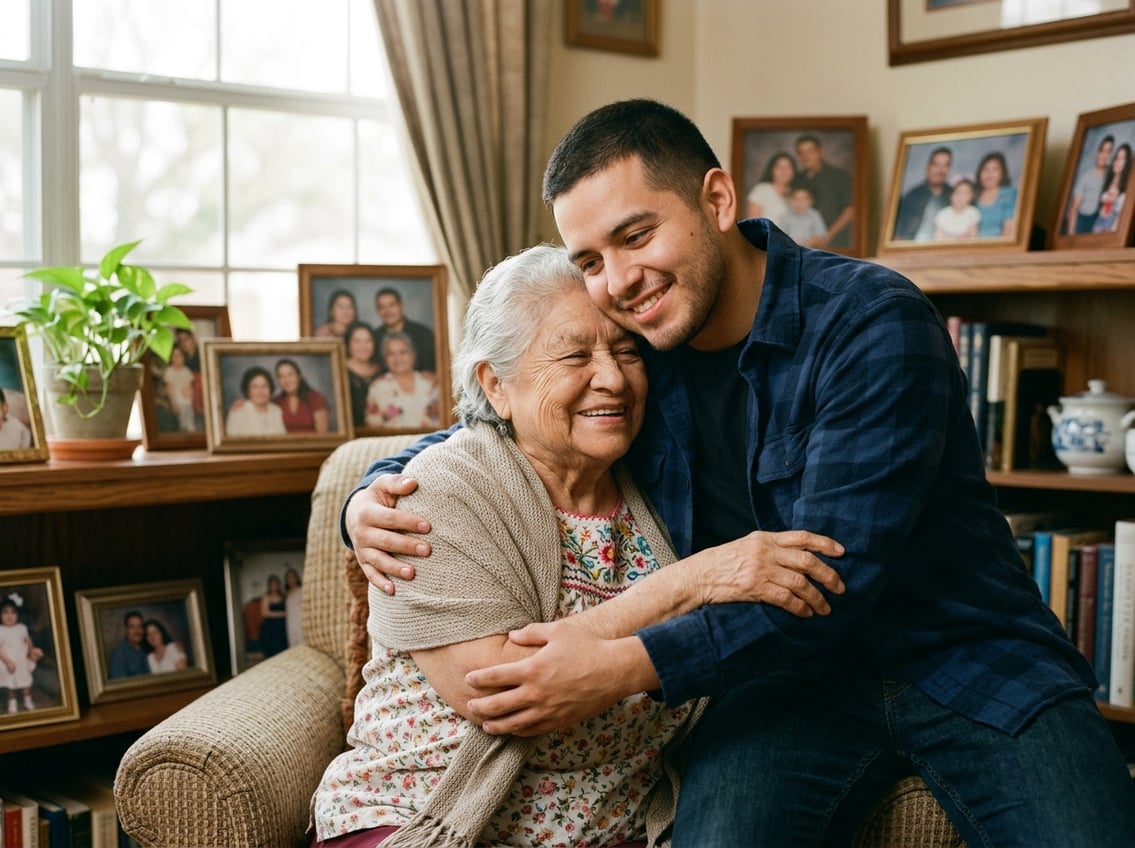
Linguistic Roots and Literal Meaning
"Mijo" (as an endearment) comes from blending two Spanish words. There’s also another "mijo" in Spanish, but that one’s just a grain.
Etymology and Development
Word Formation
| Component | Spanish | English | Result |
|---|---|---|---|
| mi | my | my | |
| + hijo | son | son | mijo |
Rule → Example
Contracted endearments form by blending “mi” + family member:
mi hijo → mijo
- Original phrase: mi hijo
- Contracted form: mijo
- Pronunciation: The "h" in "hijo" is silent, so it all runs together
Spanish loves to shorten common phrases, and this is just another case. Other Romance languages do similar stuff.
Differences Between Mijo, Mija, and Hijo
| Term | Literal Translation | Gender | Usage |
|---|---|---|---|
| hijo | son | masculine | formal, direct |
| hija | daughter | feminine | formal, direct |
| mijo | my son | masculine | affectionate, informal |
| mija | my daughter | feminine | affectionate, informal |
Rule → Example
Use mijo/mija for warmth, hijo/hija for formality:
“Mijo, ven acá” (Come here, son - affectionate)
- hijo/hija: For your own kids, usually
- mi hijo/mi hija: Adds “my,” still formal
- mijo/mija: For anyone younger you care about
Dual Meaning: Millet in Spanish
| Word | Meaning | Context |
|---|---|---|
| mijo (endearment) | my son / dear | family, relationships |
| mijo (grain) | millet (the cereal) | food, agriculture |
Rule → Example
Context decides the meaning:
“Compré mijo en el mercado” (I bought millet at the market)
“Gracias, mijo” (Thanks, dear)
Same spelling, same pronunciation - nobody really gets confused because you just know from the conversation.
Real-World Usage in Spanish Communication
Mijo and mija pop up in all sorts of relationships, not just family. The meaning shifts depending on who’s talking and to whom.
Endearment Within Families
| Speaker | Listener | Term Used | Actual Meaning |
|---|---|---|---|
| Mother | Son | Mijo | Affectionate “my son” |
| Father | Daughter | Mija | Affectionate “my daughter” |
| Parent | Adult child | Mijito/a | Diminutive, extra loving |
Sample phrases:
- "¿Ya comiste, mijo?" (Did you eat yet, son?)
- "Ven aquí, mija" (Come here, daughter)
- "Te quiero mucho, mijito" (Love you lots, little one)
Rule → Example
Family can use mijo/mija regardless of age:
A mom calls her grown son “mijo” just like she did when he was a kid.
Extended family - like aunts, uncles, or grandparents - use it too. It’s super common and feels more relaxed than “cariño” or “amor.”
Informal Social and Intergenerational Contexts
Older folks often call younger people mijo or mija, even if they’re strangers. It’s a quick way to be friendly.
| Age Gap | Term Choice | Tone |
|---|---|---|
| 20+ years | Mijo/Mija | Warm, caring |
| Same age | Rare | Odd/awkward |
| Younger→Older | Never used | Disrespectful |
Common situations:
- Store clerks helping customers
- Neighbors chatting
- On the bus
- Doctors talking to young patients
Rule → Example
Big age gap? Mijo/mija is fine.
Peer-to-peer? Sounds weird.
Affection Between Friends and Partners
In Mexico and some Central American places, friends use mijo and mija just for fun - kind of like “dude” or “buddy.”
Sample phrases:
- "Órale, mijo, vámonos" (Let’s go, man)
- "¿Qué onda, mija?" (What’s up, girl?)
| Relationship Stage | Term Frequency | Alternative Terms |
|---|---|---|
| Dating | Sometimes | Amor, cariño |
| Long-term | Regular | Same as mi amor |
| Married | Very common | Daily use |
Rule → Example
Mijo/mija can swap with “amor” in couples:
“Mijo, ¿sacaste la basura?” (Honey, did you take out the trash?)
Diminutives (mijito/mijita) make it even sweeter, especially when comforting someone.
Regional Variations and Mexican Slang
Mijo is everywhere, but how people use it changes by country. In Mexico, it’s both a family word and casual slang - even strangers use it with each other.
Mexican Slang vs. Broader Spanish
- Vendors, service workers, and just about everyone in Mexico might call you “mijo” or “mija,” no matter your age
- Bus drivers, shopkeepers, and neighbors use it all the time
- Strangers throw it around and nobody blinks
| Term | Gender | Literal Meaning | Usage Context |
|---|---|---|---|
| Mijo | Masculine | My son | Boys, men, young folk |
| Mija | Feminine | My daughter | Girls, women, young |
| Morro | Masculine | - | Kid, boy (very casual) |
| Chamaco/a | M/F | - | Youngster |
Rule → Example
Pronounce “mijo” as “MEE-hoh” - not “mi hijo” with a pause.
Contextual Usage Across Latin America
| Country | "Mijo" Usage | Typical Contexts |
|---|---|---|
| Mexico | Very common | Family, strangers, all |
| Colombia | Common | Family, service workers |
| Venezuela | Common | Informal, family |
| Spain | Rare | Mostly family |
| S. America | Varies | Sometimes, not always |
Rule → Example
Older to younger: “Mijo” is fine.
Younger to older: Not OK.
A grandma calling you “mijo” is always sweet. But a teen calling an elder “mijo” would raise eyebrows.
Connotation, Tone, and Social Nuances
| Factor | Effect on "Mijo" Usage |
|---|---|
| Age difference | More acceptable with big gap |
| Relationship | Closer = warmer; strangers = casual |
| Region | Mexico/Colombia = common |
| Tone of voice | Caring vs. patronizing |
Rule → Example
Use “mijo” warmly with kids, friends, or much younger people.
Don’t use it for elders or equals - unless you’re joking around and everyone’s cool with it.
When Mijo is Affectionate or Familiar
Mijo and mija are Spanish terms of endearment, kind of like cariño, corazón, amor, or cielo. All of these show emotional closeness, but each one has its own vibe and level of formality.
Affectionate Contexts:
- Parents to children (any age): Everyday use for parental love
- Grandparents to grandchildren: Makes the family bond feel warmer
- Romantic partners: Used tenderly, sometimes instead of amor or cielo
- Older adults to younger people: Like “sweetie” or “dear”
- Close friends: Casual, kind of like “buddy” or “pal”
Emotional Register Comparison:
| Term | Formality | Common Relationship | Intensity |
|---|---|---|---|
| Mijo/Mija | Informal | Family, close friends, romantic | Medium |
| Cariño | Informal | Romantic, family | Medium-high |
| Corazón | Informal | Romantic, very close family | High |
| Amor | Informal | Romantic partners | High |
| Cielo | Informal | Romantic, adoring parent-child | High |
Mijito and mijita are even more affectionate. People use these when comforting someone or showing extra care.
Balancing Respect and Informality
Using mijo depends on social distance and who’s talking to whom. Age usually decides if it sounds natural or awkward.
Appropriate Use Guidelines:
- Older to younger: Fine across Latin America
- Among peers: Only if you’re already close
- Strangers: Only if there’s a big age gap (elder to youth)
- Professional settings: Rarely okay, unless it’s a super informal, family-like workplace
Regional Variations:
| Region | Usage Pattern |
|---|---|
| Mexico | Very common, all ages and relationships |
| Central America | Common, mostly older to younger |
| South America | More reserved, mostly family |
| Caribbean | Moderate, depends on the country |
Risk Factors:
- Using mijo without closeness can come off as condescending
- Younger people calling elders mijo flips the respect dynamic
- At work, it can sound unprofessional unless everyone’s super familiar
| Rule | Example |
|---|---|
| Use mijo/mija when you’re in a caring or senior role | Grandmother to grandson: “Mijo, come eat” |
| If unsure, use the person’s name or a neutral term | “Juan, can you help me?” |
Other Spanish Terms of Endearment
Spanish has tons of affectionate words besides mijo and mija. These range from romantic to playful and work in all sorts of family or friendly settings.
Popular Alternatives to Mijo and Mija
| Term | Literal Meaning | Used For | Context |
|---|---|---|---|
| Cariño | Affection/Darling | Partners, children | General affection |
| Amor | Love | Romantic partners | Intimate |
| Cielo | Sky/Heaven | Partners, children | Deep affection |
| Corazón | Heart | Partners, family | Emotional closeness |
| Guapo/Guapa | Handsome/Beautiful | Anyone | Friendly, casual |
- Cariño: “Honey” or “sweetheart.” Parents and partners use it all the time.
- Amor: Most common between couples. Example: “Buenos días, amor.”
- Cielo: Literally “sky,” but means someone precious; more poetic than cariño.
- Corazón: Shows strong emotional connection. Grandparents love calling grandkids “mi corazón.”
- Guapo/guapa: Means attractive, but also used as a casual greeting among friends and family.
Diminutives and Nicknames
Spanish speakers often add -ito or -ita to make terms sound smaller and cuter.
Common diminutive patterns:
- Mijo → Mijito (little son)
- Mija → Mijita (little daughter)
- Amor → Amorcito (little love)
- Corazón → Corazoncito (little heart)
| Rule | Example |
|---|---|
| Add -ito/-ita to increase tenderness | “Mijita, ven aquí” (Little one, come here) |
Parents say mijito/mijita more with young kids than with teens. In Mexican Spanish, these forms pop up in daily talk a lot.
Slang Variants and Youth Language
There are plenty of informal words, besides mijo, that Spanish speakers use for young people. Which one you pick depends on the region, age, and sometimes gender.
Usage of Morro, Chamaco, and Related Words
| Term | Gender | Primary Region | Typical Context |
|---|---|---|---|
| Morro | Male | Mexico, Spain | Casual, neutral |
| Morra | Female | Mexico, Spain | Casual, neutral |
| Chamaco | Male | Mexico, Central America | Affectionate/casual |
| Chamaca | Female | Mexico, Central America | Affectionate/casual |
| Chavo | Male | Mexico | Informal, everyday |
| Chava | Female | Mexico | Informal, everyday |
- Morro/morra: Used among friends or adults to youth; less warm than mijo.
- Chamaco/chamaca: Common in Mexican slang; not as widespread elsewhere.
- Chavo/chava: Like “kid” or “dude” in English.
Under-30s use morro and chamaco with friends. Adults use them for a casual vibe, without the parent-y feeling of mijo.
Gender and Age Implications
| Speaker Age | Listener Age | Appropriate Terms | Terms to Avoid |
|---|---|---|---|
| Adult (30+) | Child (0-12) | Mijo/mija, chamaco/chamaca | Morro/morra |
| Adult (30+) | Teen (13-19) | Any term | - |
| Young adult (18-29) | Peer (18-29) | Morro/morra, chavo/chava | Mijo/mija (unless very close) |
- Male forms: mijo, morro, chamaco, chavo
- Female forms: mija, morra, chamaca, chava
| Rule | Example |
|---|---|
| Don’t use mijo for someone older than you | - |
| Use morro/chamaco among friends of similar age | “¿Qué onda, morro?” (What’s up, dude?) |
Frequently Asked Questions
Is "mijo" a term of endearment or an insult in Spanish?
| Rule | Example |
|---|---|
| Mijo is always a term of endearment | Parent to child: “Mijo, te quiero mucho” |
| Never used as an insult | - |
Common uses:
- Parents to children
- Older adults to younger people
- Friends, playfully
- Romantic partners as a nickname
What's the difference between "mijo" and "mi hijo"?
| Term | Structure | Formality | Common Context |
|---|---|---|---|
| Mi hijo | Two words | Formal | Documents, serious talk |
| Mijo | One word, contraction | Informal | Daily speech, casual settings |
| Rule | Example |
|---|---|
| Use “mi hijo” for formal or serious contexts | “Mi hijo es doctor” |
| Use “mijo” for casual, affectionate situations | “Mijo, ven acá” |
When is it appropriate to call someone "mijo" in everyday conversation?
Appropriate:
- Talking to children or teens (not just your own)
- Addressing someone much younger
- Romantic partners as a pet name
- Close friends, informally
Avoid:
- Strangers of similar age
- Professional/business settings
- Authority figures or elders
- If the person dislikes the term
| Rule | Example |
|---|---|
| Age and relationship matter most | Older neighbor to kid: “Mijo, cuidado” |
How do you pronounce "mijo" correctly in Spanish?
| Syllable | Sound | English Similarity |
|---|---|---|
| mi | mee | “me” |
| jo | ho | “ho” in “hold” |
- The “j” is a hard “h” sound, not like the English “j.”
- Pronunciation: MEE-ho
- Stress goes on the first syllable.
Is "mijo" considered flirty, or is it usually platonic?
| Use Type | Example Context |
|---|---|
| Platonic | Parent to child, older to younger, friends |
| Romantic | Partners as a nickname, flirting |
- For older people, mijo is usually just caring.
- Between partners, it’s like “honey” or “sweetheart.”