What Does Day of the Dead Mean in Spanish? Proven Memory Boosts
Learning Day of the Dead Spanish terms helps you see both literal meanings and the cultural roots in Mexican tradition.
Posted by
 Stewart Kaplan
Related reading
What Does Adonde Mean in Spanish? How Movement 'Clicks' for Learners
You have to know when prepositions combine with donde to show direction or position
What Does Ahi Mean in Spanish? Cognitive Mastery That Sticks
Learners mix up ahí, hay, and ay because they sound the same but mean totally different things.
What Does Aki Mean in Spanish: Unpacking Real Usage for Learners
Regional differences exist, but nearly everyone in Spanish-speaking communities gets what "aki" means in a text
TL;DR
- Day of the Dead in Spanish is "Día de los Muertos," which literally means "Day of the Dead" or "Day of the Deceased."
- The holiday blends Indigenous Mesoamerican rituals and Spanish Catholic traditions, mostly celebrated on November 1–2.
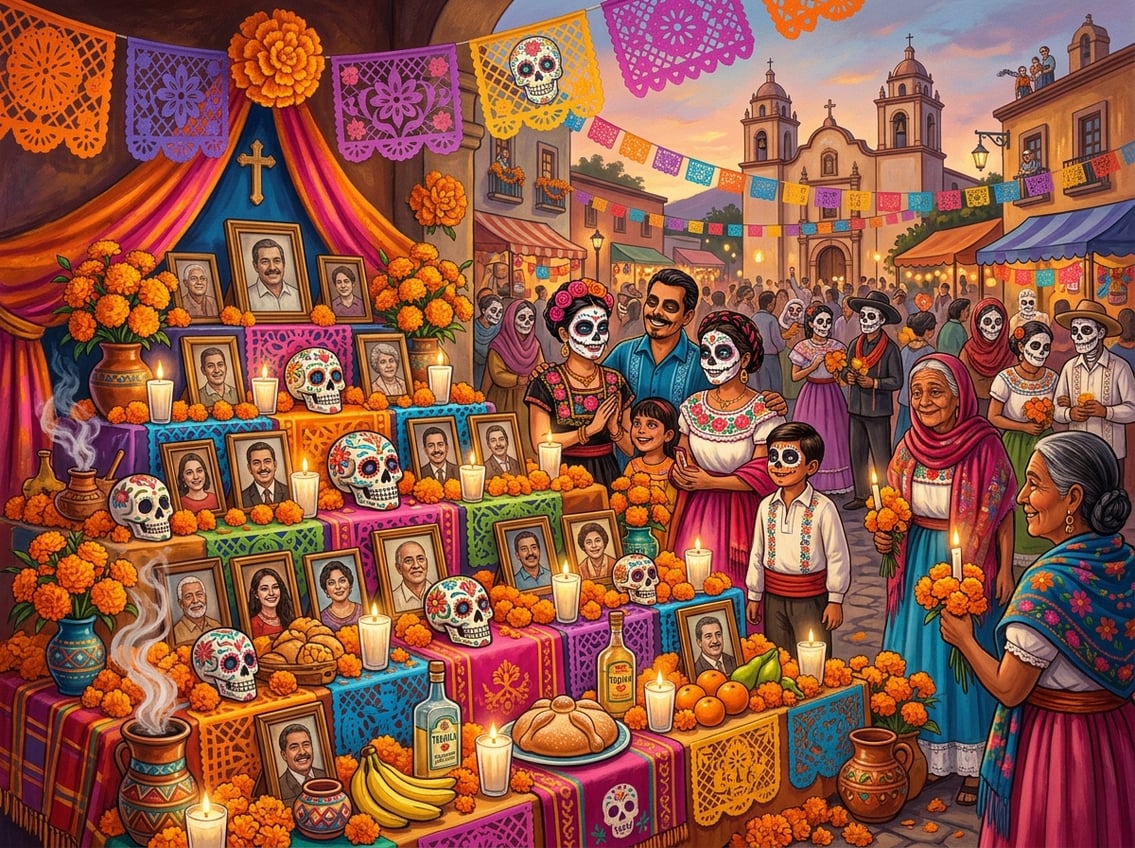
- Must-know words: ofrenda (altar), cempasúchil (marigold), calavera (skull), pan de muerto (bread of the dead).
- It’s about honoring the dead joyfully, not mourning, using food, flowers, and home altars.
- Learning Day of the Dead Spanish terms helps you see both literal meanings and the cultural roots in Mexican tradition.
Spanish Terminology and Literal Meaning
The phrase "Día de los Muertos" translates straight to "Day of the Dead," but the Spanish structure and related words give it a little more depth, depending on where and how it’s used.
Origins of the Name Día de los Muertos
Literal Translation Breakdown
| Spanish Component | English Meaning | Grammatical Note |
|---|---|---|
| Día | Day | Masculine singular noun |
| de | of | Preposition |
| los | the | Masculine plural article |
| Muertos | Dead (ones) | Masculine plural noun/adjective |
Rule → Example
Use "los" to show the day honors many deceased: "Día de los Muertos" = "Day of the Dead (ones)."
Historical Naming Context
| Term | Date | Meaning |
|---|---|---|
| Día de Todos los Santos | Nov 1 | All Saints’ Day |
| Día de los Fieles Difuntos | Nov 2 | All Souls’ Day |
| El Día de los Muertos | Nov 1–2 | Combined Indigenous and Catholic rituals |
Indigenous and Catholic traditions merged, and the combined celebration became El Día de los Muertos.
Key Spanish Vocabulary and Phrases
Essential Day of the Dead Terms
| Spanish Term | English | Context |
|---|---|---|
| Ofrenda | Offering/Altar | Home altar for ancestors |
| Calaca | Skeleton | Decorative figure |
| Calavera | Skull | Sugar skull or imagery |
| Cempasúchil | Marigold | Orange flower for spirits |
| Pan de muerto | Bread of the dead | Traditional sweet bread |
| Copal | Incense | Burned during rituals |
Common Phrases and Greetings
- Feliz Día de los Muertos – Happy Day of the Dead
- Día de los Angelitos – Day of the Little Angels (Nov 1, for children)
- Recordando a nuestros seres queridos – Remembering our loved ones
- Descanse en paz – Rest in peace
Verb Phrases for Honoring the Deceased
- Honrar a los muertos – To honor the dead
- Recordar a los difuntos – To remember the deceased
- Visitar el cementerio – To visit the cemetery
- Preparar la ofrenda – To prepare the altar
Distinctions: Día de Muertos vs. Día de los Muertos
Grammatical Comparison
| Version | Article Used | Region/Context | Formality |
|---|---|---|---|
| Día de Muertos | No | Central Mexico, informal | Casual |
| Día de los Muertos | Yes (los) | Formal/international | Formal/Standard |
| El Día de los Muertos | Yes (el + los) | Written/academic | Most formal |
Usage Patterns
- Both forms are used by Spanish speakers
- "Día de Muertos" sounds more casual and is common in Mexico
- "Día de los Muertos" is used in formal writing and by learners
- The meaning and traditions stay the same, no matter which form you use
Related Time References
- El primero de noviembre – November 1
- El dos de noviembre – November 2
- Los días primero y dos de noviembre – November 1 and 2
Historical Roots and Cultural Fusion
The Day of the Dead grew out of Aztec beliefs about death and the afterlife and later mixed with Spanish Catholic traditions during the 1500s. This blend created a unique holiday that’s now celebrated all over Latin America, each place adding its own twist.
Aztec and Pre-Hispanic Influences
Core Aztec Death Beliefs
- Death continued life, not just an end
- Souls journeyed through Chicunamictlán (Land of the Dead)
- Final stop: Mictlan, ruled by Mictlantecuhtli and Mictecacíhuatl
- Offerings from the living helped spirits finish their journey
Pre-Hispanic Practices for Honoring the Dead
| Practice | Purpose | Materials |
|---|---|---|
| Food offerings | Nourish spirits | Meals, water |
| Personal objects | Guide/comfort | Tools, belongings |
| Ritual ceremonies | Connect worlds | Incense, flowers |
Rule → Example
Leave offerings to help loved ones reach Mictlan: "Pon comida y agua en la ofrenda."
Catholic Traditions and Syncretism
Spanish Colonial Introduction (16th Century)
| Catholic Holiday | Date | Indigenous Adaptation |
|---|---|---|
| Día de Todos los Santos | Nov 1 | Honors saints and ancestors |
| All Souls' Day | Nov 2 | Honors all departed souls |
Elements from Each Tradition
- Catholic: Masses, prayers, saints, religious art
- Indigenous: Ofrendas, marigolds, food, multi-day rituals, grave visits
Rule → Example
Combine Catholic dates with Indigenous rituals: "Día de los Muertos se celebra el 1 y 2 de noviembre con ofrendas y misas."
Evolution Across Latin America
Regional Variations
| Region | Local Name | Unique Features |
|---|---|---|
| Oaxaca, Mexico | Día de Muertos | Sand carpets, big community events |
| Yucatán | Hanal Pixán | Maya food: mukbil pollo |
| Guatemala | Día de los Muertos | Fiambre salad, giant kites |
| U.S. | Day of the Dead | Chicano movement public events |
Rule → Example
Each region adapts the celebration: "En Oaxaca, hacen tapetes de arena y grandes ofrendas."
Core Symbols and Their Meanings
Marigolds guide spirits with their color and scent. Skulls and skeletons make death less scary. Altars use these, plus food, water, and photos, to welcome loved ones back.
The Significance of Marigolds and Cempasúchil
Spanish Names for Marigolds
- Cempasúchil (most common)
- Cempazúchitl (variant)
- Flor de muerto (flower of the dead)
Primary Functions
| Purpose | How Used |
|---|---|
| Visual guide | Orange petals mark a path |
| Scent trail | Strong smell guides spirits |
| Sacred offering | Honors Aztec goddess Mictecacihuatl |
Common Placement
- Petals scattered to make a path to the altar
- Arches over doors
- Vases on ofrendas
- Crosses or shapes on altars
Skulls and Skeleton Figurines
Types of Skull Decorations
| Spanish Term | Material | Meaning |
|---|---|---|
| Calavera | Any skull | Death and rebirth |
| Calaverita | Small skull | Altar decoration |
| Calavera de azúcar | Sugar | Edible offering |
| Alfeñique | Sugar paste | Molded figures |
| Calaca | Skeleton | Playful view of death |
Decorative Elements
- Icing, flowers, swirls
- Foil or glitter
- Names of loved ones
- Bright colors: pink, blue, yellow, green
Rule → Example
Use skulls and skeletons to make death playful: "Pon calaveras de azúcar con nombres en la ofrenda."
Ofrendas and Altars
Essential Altar Components
| Spanish Term | English | Symbolic Meaning |
|---|---|---|
| Foto del difunto | Photo of the deceased | Identifies who the altar honors |
| Velas | Candles | Light the path from darkness |
| Agua | Water | Quenches thirst after the long journey |
| Sal | Salt | Purifies and protects the soul |
| Papel picado | Perforated paper | Represents wind and air element |
| Copal | Traditional incense | Purifies the space with sacred smoke |
- The altar’s brightness guides souls back to the world of the living.
- Every item has a purpose rooted in Indigenous tradition.
Food and Drink Offerings
- Pan de muerto (bread of the dead)
- Favorite foods of the deceased
- Fresh fruit (oranges are popular)
- Corn for ancestors and harvest
- Coffee, water, or drinks they enjoyed
The Four Elements
| Element | Representation on Ofrenda |
|---|---|
| Earth | Food, salt |
| Wind | Papel picado |
| Fire | Candles (velas) |
| Water | Cups or bowls |
- Photographs (fotografías) invite specific souls to their altar.
Traditional Practices and Modern Expressions
| Activity | Description |
|---|---|
| Home altars | Built with symbolic items and offerings |
| Parades | Skeleton costumes, giant Catrina figures |
| Cemetery gatherings | Cleaning graves, sharing meals with the dead |
Building and Decorating Ofrendas
Core Altar Elements
| Element | Spanish Term | Purpose |
|---|---|---|
| Marigold flowers | Cempasúchil / Cempazúchitl | Guide spirits with scent and color |
| Perforated paper | Papel picado | Represent wind and fragility of life |
| Candles | Velas | Light the path for returning souls |
| Incense | Copal | Purify the space and carry prayers |
| Photos | Fotografías | Identify honored deceased |
| Food offerings | Ofrendas de comida | Nourish spirits during visit |
Additional Decorative Items
- Skeleton figurines (calacas, calaveritas)
- Alebrijes (spirit animals)
- Monarch butterflies (mariposa monarca)
- Hairless dogs (xoloitzcuintle)
- Toys (juguetes) for children
- Personal mementos (recuerdo)
| Rule | Example |
|---|---|
| Home altars (ofrendas) include the favorite foods and drinks of deceased relatives | Pan de muerto, coffee, mole |
Day of the Dead Art, Costumes, and Parades
Common Visual Elements
| Art Form | Description | Usage |
|---|---|---|
| La Catrina | Elegant skeleton woman in fancy hat | Face paint, parade figures, decorations |
| Calaveras | Decorative skull designs | Sugar skulls, face paint, artwork |
| Calaveras literarias | Humorous poems (mock epitaphs) | Written for living friends |
Costume Components
- Skeleton face paint with bright floral details
- Traditional dresses or formal suits
- Flower crowns (marigolds)
- Large hats inspired by La Catrina
| Rule | Example |
|---|---|
| Mexico City hosts a Day of the Dead parade each October | Skeleton makeup, vibrant costumes |
Cemetery Visits and Communal Gatherings
Cemetery Activities
- Clean and decorate family graves
- Place marigolds and papel picado
- Light velas all night
- Share meals at gravesites
- Play music loved by the deceased
- Tell stories about the departed
| Vigil Practice | Timing |
|---|---|
| Families stay at graves | Dusk till dawn, Nov 1–2 |
Signature Foods and Offerings
| Rule | Example |
|---|---|
| Food offerings connect living and dead through traditional dishes | Mole, tamales, pan de muerto |
Pan de Muerto and Symbolic Sweets
Key Features of Pan de Muerto:
- Round shape (cycle of life)
- Bone decorations on top
- Orange blossom flavor
- Sweet, soft bread
- Sometimes personalized with names
Sugar Skulls and Sweet Offerings:
| Item | Spanish Name | Symbolism |
|---|---|---|
| Sugar skulls | Calaveras de azúcar / calaveritas | Death as part of life, decorated with names |
| Almond paste figurines | Alfeñiques | Sugar paste skulls and skeletons |
| Candied pumpkin | Calabaza en tacha | Sweetness of memory |
- Sugar skulls represent the souls of departed family members.
- Bright colors = joy, not sorrow.
Regional Mexican and Latin American Dishes
Common Savory Offerings:
- Mole – Rich sauce with chilies, chocolate, spices
- Tamales – Corn dough in husks, steamed
- Pozole – Hominy soup with meat and spices
- Frutas – Oranges, bananas, pomegranates
Regional Variations:
| Region | Specialty Dish | Description |
|---|---|---|
| Oaxaca | Mole negro | Dark mole with chocolate and mezcal |
| Yucatán | Mukbil pollo | Chicken tamale baked underground |
| Ecuador | Guaguas de pan | Baby-shaped bread with colada morada |
| Puebla | Tamal de muerto | Special tamales for the holiday |
| Rule | Example |
|---|---|
| Dishes reflect local ingredients and the deceased’s favorites | Oaxaca: mole negro; Yucatán: mukbil pollo |
Traditional Drinks
Hot Beverages:
- Atole – Warm corn drink
- Champurrado – Chocolate atole with masa and cinnamon
Cold and Alcoholic Drinks:
| Beverage | Type | Purpose |
|---|---|---|
| Agua de jamaica | Hibiscus tea | Refreshing, bright red |
| Tequila | Agave spirit | Honors adult spirits |
| Mezcal | Smoky agave spirit | Oaxacan tradition |
| Pulque | Fermented agave | Ancient ceremonial drink |
| Placement Rule | Example |
|---|---|
| Hot drinks near photos; alcohol for adults; sweet drinks for kids | Atole near photos, tequila for adults, agua fresca for children |
Global Resonance and Contemporary Relevance
| Region | Adaptation Characteristics |
|---|---|
| United States | Parades, public altars in Mexican communities |
| Latin America | Día de los Difuntos, Día de los Fieles Difuntos |
| Bolivia | Día de las Ñatitas, decorated skulls |
| Europe | Festivals, museum exhibitions |
Key Elements Preserved Internationally
- Ofrendas with marigolds and favorite foods
- Photo of the deceased as centerpiece
- Sugar skulls and pan de muerto
- Focus on celebration of life
| Rule | Example |
|---|---|
| Practice with cultural sensitivity and respect for Mexican roots | Public altars in U.S. cities with Mexican heritage |
Influence in Popular Culture and Art
Major Productions
- Coco (2017): Pixar film with ofrendas, alebrijes, Land of the Dead
- Spectre (2007): James Bond film, inspired Mexico City’s parade
Artistic Heritage
| Artist | Contribution |
|---|---|
| Diego Rivera | Day of the Dead imagery in murals |
| José Guadalupe Posada | Created La Calavera Catrina |
Day of the Dead Art Features
- Calacas (skeletons) in joyful poses
- Bright colors
- Paper flowers, papel picado
| Rule | Example |
|---|---|
| Traditional celebrations inspire contemporary artists | Pátzcuaro’s authentic festivities |
Educational Value for Spanish Learners
Core Vocabulary
| Spanish Term | English | Usage Context |
|---|---|---|
| Día de los Muertos | Day of the Dead | Name of holiday |
| Ofrenda | Altar/offering | Honoring the deceased |
| Cempasúchil | Marigold | Guides spirits home |
| Calavera | Skull | Edible or decorative |
| Pan de muerto | Bread of the dead | Sweet bread for altars |
Learning Benefits
- Cultural context boosts memory
- Holiday sparks real conversations in Spanish
- Idioms show attitudes toward death
- Regional words highlight diversity
| Rule | Example |
|---|---|
| Students retain vocabulary better through celebrations | Learning “calaverita” during Day of the Dead |
| Use diminutives for affection or playfulness | muertito, calaverita |
| Indigenous words appear in modern Spanish | cempasúchil, xoloitzcuintle |
Practical Language Applications
- Describe family traditions using past tenses
- Express emotions about loss with authentic phrases
- Recognize diminutives in context
- Identify Nahuatl-origin words in Spanish
Frequently Asked Questions
| Question | Answer |
|---|---|
| What does Día de los Muertos mean in English? | "Day of the Dead" |
| Does pronunciation vary? | Yes, by region |
| Is it Indigenous or Catholic? | Both traditions are present |
How do you say "Day of the Dead" in Spanish, and what is the literal translation?
| Spanish | Literal Translation | Usage |
|---|---|---|
| Día de los Muertos | Day of the Dead | Most common, formal |
| Día de Muertos | Day of Dead | Shortened, equally common |
Both terms refer to the same holiday, mainly celebrated on November 1 and 2.
Word Breakdown
- Día = day
- de = of
- los = the (plural)
- Muertos = dead (plural, masculine)
Rule → The plural "muertos" covers all deceased people, regardless of gender.
Example: "Día de los Muertos" means "Day of the Dead" for everyone.
How is "Día de los Muertos" pronounced in Spanish?
| Word | Pronunciation | Sound Notes |
|---|---|---|
| Día | DEE-ah | Stress on first syllable |
| de | deh | Short, unstressed |
| los | lohs | Short "o" sound |
| Muertos | MWEHR-tohs | Roll the "r", stress first syllable |
Full phrase: DEE-ah deh lohs MWEHR-tohs
Rule → The "r" in "Muertos" is a single tap of the tongue.
Example: "Muertos" sounds like MWEHR-tohs.
Regional variations exist in pronunciation across different Spanish-speaking countries.
Is "Día de los Muertos" ever used as Spanish slang, and if so, what does it imply?
| Phrase | Usage Type | Meaning |
|---|---|---|
| Día de los Muertos | Formal | Name of the holiday only |
Rule → "Día de los Muertos" is never slang.
Example: Spanish speakers use it only for the holiday, not for any other meaning.
What does "Día de los Muertos" mean in a Catholic or Christian context?
Religious Integration
| Catholic Observance | Date | Connection to Día de Muertos |
|---|---|---|
| All Saints' Day | November 1 | Honors all saints, merged with local traditions |
| All Souls' Day | November 2 | Remembers departed faithful, prayer-focused |
Catholic Elements in Modern Celebration
- Requiem Masses on November 1 and 2
- Families bring photos of the deceased to church
- Prayers for souls of the departed
- Nine-day prayer devotions (novenarios) ending on the holiday
Rule → Día de los Muertos blends Catholic theology with pre-Hispanic beliefs about death.
Example: People attend Mass and create altars for loved ones.
Why is Día de los Muertos celebrated, and what is its cultural significance?
- Honors deceased loved ones
- Celebrates their spiritual return
- Families welcome spirits for reunion
Historical Origins
| Civilization | Belief System | Time Period |
|---|---|---|
| Aztecs, Maya, Toltecs | Cyclical life and death view | Pre-Spanish, thousands of years |
| Indigenous Mesoamerican | Souls travel through Mictlan | Pre-colonial era |
| Post-colonial Mexico | Blended Indigenous & Catholic | 16th century onward |
Rule → Offerings help souls complete their journey in the afterlife.
Example: Aztecs believed in sending food and gifts for the dead.
Cultural Recognition
| Organization | Recognition Year | Significance |
|---|---|---|
| UNESCO | 2008 | Intangible Cultural Heritage of Humanity |